

 Español
 Deutsch

Plastic containers for flowers are a job-specific purchase, not a single product category. A nursery pot needs drainage; a bucket for cut stems must hold water; a transport tray must stack without cracking; a display liner must protect surfaces and hide mechanics. Choose by function first, then by resin, wall thickness, and stacking ratio.
That order matters because “container” covers pots, buckets, vases, trays, and storage boxes. A food-grade tub can work as a watertight liner inside a decorative vase, but it will not replace a drainage pot for a growing rose. Buyers who skip this distinction often overpay for features they do not need or discover too late that a container leaks, cracks under load, or cannot be cleaned.
Match the Container to the Floral Job
Start with the job, not the resin code. Growing plants, cut stems, and dry supplies place different demands on a plastic container, and the failure modes are not interchangeable.
| Container type | Primary use | Drainage | Watertight | What to check |
|---|---|---|---|---|
| Nursery pot | Growing plants and propagation | Required | No | Hole count, rim strength, UV stability |
| Floral bucket | Holding cut stems in water | No | Yes | Base seam, handle, volume, stackability |
| Vase liner | Display and leak protection | No | Yes | Lid or rim fit, wall stiffness, height |
| Transport tray or crate | Moving pots, stems, or supplies | Optional | No | Load rating, ventilation, nesting ratio |
| Storage box | Dry floral supplies and tools | No | Not usually | Lid fit, dust protection, clarity |
A watertight container is not automatically better for a living plant. Roots need air as well as moisture, and a decorative outer pot without drainage can turn into a standing-water trap. The safest pattern is a drained inner pot plus a separate liner that can be emptied after watering.
Material Choices: PP, HDPE, PET, PS, and PVC
For most floral applications, PP and HDPE give the best balance of toughness, water resistance, and recyclability. PP is rigid, lightweight, and tolerant of repeated washing, which suits pots, buckets, liners, and trays. HDPE is tougher and more stress-crack resistant, so it is often a better fit for larger outdoor pots and heavy-duty buckets.
| Material | Typical floral use | Strengths | Limits |
|---|---|---|---|
| PP | Pots, buckets, liners, trays | Lightweight, rigid, heat-resistant, widely recyclable | Can become brittle in cold impact; check UV grade |
| HDPE | Outdoor pots, heavy buckets | Tough, stress-crack resistant, UV options available | Less rigid; often opaque |
| PET | Clear vases and display containers | High clarity, good stiffness | Can crack under impact; not ideal for hot water |
| PS | Clear liners and low-cost trays | Rigid and inexpensive | Brittle; poor chemical resistance |
| PVC | Decorative sleeves and flexible covers | Clear or colored; flexible | Limited recycling; plasticizer concerns |
For cut-stem work, a food-grade PP tub or box can serve as a watertight liner inside a decorative container or as a transport tray when the lid fit and wall stiffness suit the load. It is not a substitute for a drainage pot, and any container reused for flowers should be kept out of food contact afterward.
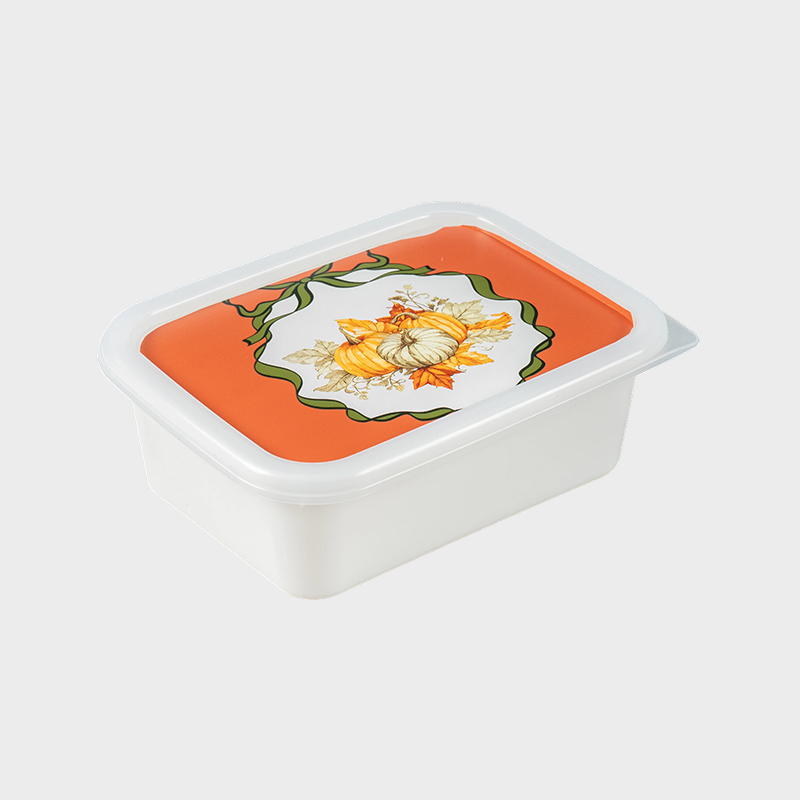
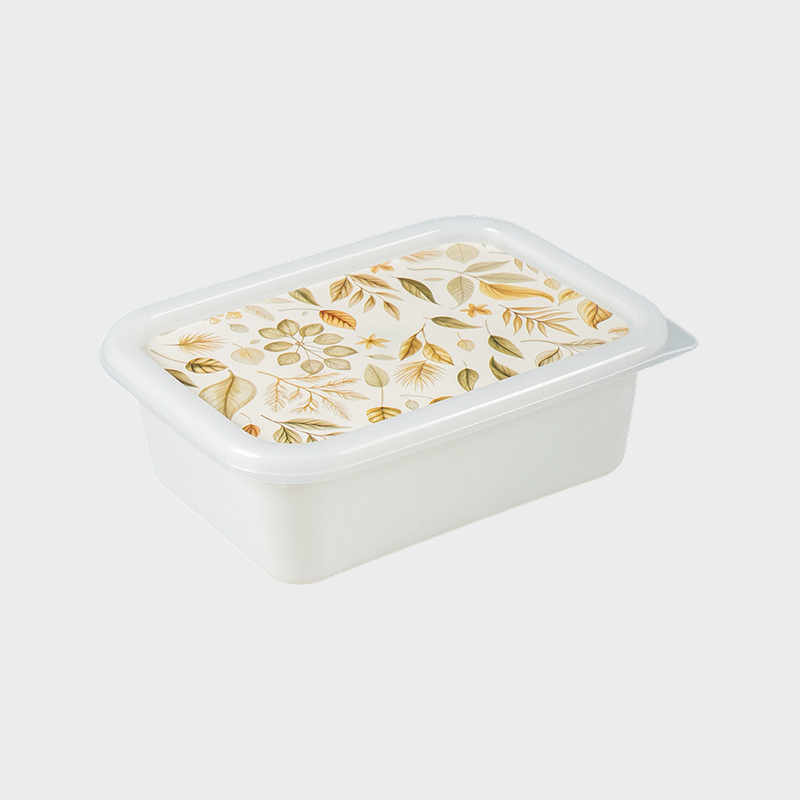
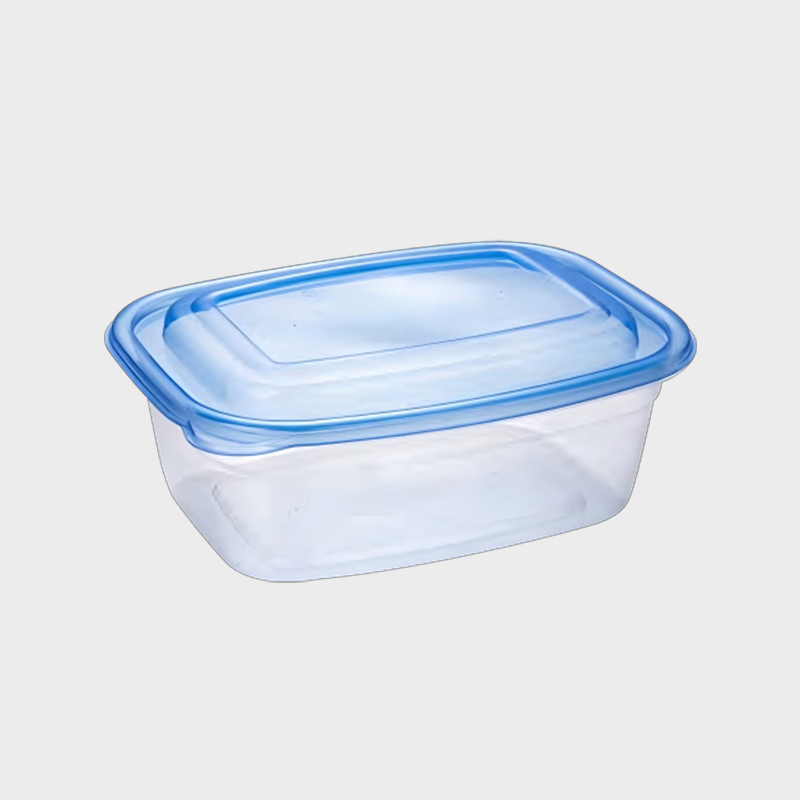 9.5L PP Food Storage Box with LidLarge rectangular PP container for food and produce storage, with a matching lid and lightweight 9.5L capacity for kitchen or commercial use.View Product →
Thin walls are the hidden cost driver. A container may look adequate on a shelf, but a filled bucket or stacked tray puts stress on rims, bases, and handles. If you need custom color, wall thickness, or lid fit, review the manufacturing and OEM/ODM process before sampling.
Drainage, Watertightness, and the Cost of Getting It Wrong
A container that traps water can drown roots, and one that leaks can ruin a delivery. Test the actual failure point before placing a bulk order.
- Drainage: small propagation pots usually need several holes; larger pots need more or larger holes so water does not perch. Check that holes are cleanly punched and do not tear under fill.
- Watertightness: fill the container with water and let it stand. Check the base seam, lid fit, and any handle insert. A slow seep is still a failure in a delivery vehicle.
- Load: stack filled containers, not empty ones. Rims and corners often fail before the side wall does.
- Fit: a liner should sit below the decorative rim so water does not wick into the outer container. A bucket should leave enough headspace for stems and displacement.
- Cleaning access: narrow necks and sharp internal corners trap debris. For reusable containers, a simple shape with a wide opening saves labor.
Sizing and Stackability for Florists and Growers
Buy for the densest part of your workflow, not the prettiest shelf display. A stack of empty pots tells you little; a stack of watered, filled containers tells you whether the base, rim, and nesting design are adequate.
| Working volume | Typical use | Procurement note |
|---|---|---|
| 0.5–1 L | Propagation plugs and small starter pots | Check drainage hole size and tray fit |
| 2–5 L | Small nursery pots and counter display pots | Confirm rim strength when filled with wet media |
| 10–20 L | Floral buckets, tubs, and liners | Test handle and base seam under water load |
| 40–60 L | Transport crates and bulk storage | Check stack load, nesting ratio, and pallet fit |
Dry supplies are a different problem. Ribbon, floral foam, cards, and tools need dust protection and countable storage rather than watertightness.
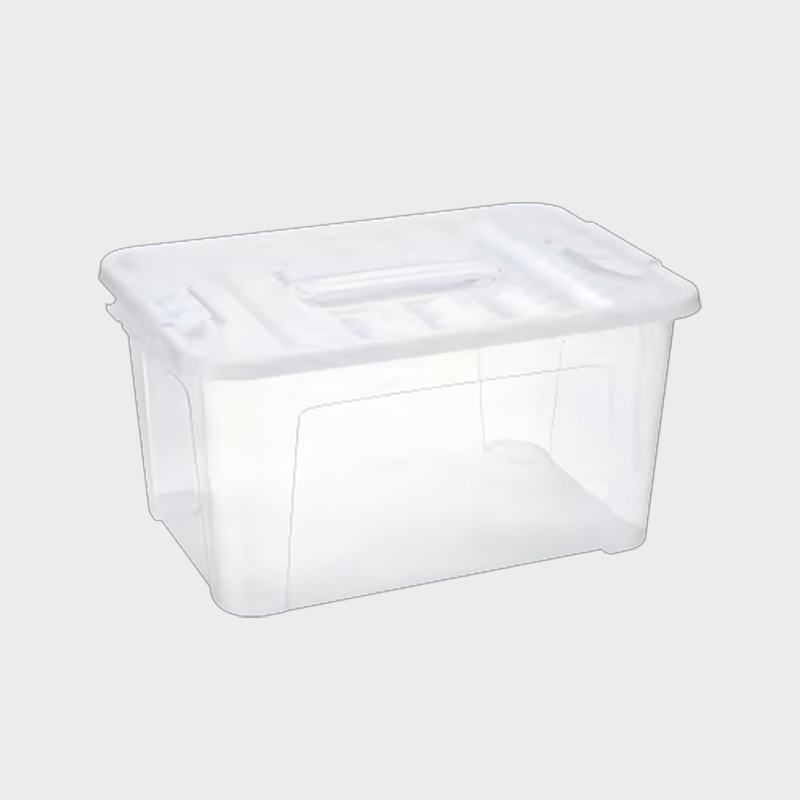 10L PP Household Storage Container with Flip-Top LidRectangular translucent PP storage box with flip-top lid and side closure for keeping dry supplies, toys, or tools covered and organized.View Product →
Stackability is a cost issue, not only a storage preference. A container that nests poorly increases freight volume; one that stacks poorly invites crushed rims. Ask for the nesting ratio and a loaded-stack test when the order volume justifies it.
Hygiene, Reuse, and Recycling
Reusability only pays off when the container can be cleaned, dried, and inspected. Flowers, stems, and standing water can leave organic residue and microbes, especially in warm delivery conditions.
- Empty and rinse the container after each use.
- Wash with a neutral detergent and a soft brush; avoid abrasive pads on clear plastics.
- Dry upside down so water drains from rims and corners.
- Retire containers with cracks, cloudy stress marks, or weak seams.
- Keep flower containers out of food contact once they have held stems, soil, or floral foam.
Recycling also depends on material separation. PP and HDPE are commonly collected streams in many markets, but lids, labels, foam, and mixed inserts can complicate processing. Confirm local acceptance rather than assuming that a recyclable resin makes the whole assembly recyclable.
Procurement Checklist for Plastic Flower Containers
A short checklist prevents most returns and failed trials. Use it before requesting a quotation, then verify the critical points with a sample.
- Define the job: growing, hydration, transport, display, or dry storage.
- Choose the resin by toughness, clarity, heat exposure, and recycling route.
- Specify drainage or watertightness, not just “container.”
- Measure outer dimensions, inner depth, and nesting height.
- Confirm wall thickness at rims, bases, and handles.
- Check UV stabilization if the container will stay outdoors.
- Test cleaning access and drying time.
- Request a sample with the final resin, color, and lid fit.
For common specification, packing, and sample questions, see the FAQ.
FAQ: Plastic Containers for Flowers
Are plastic containers for flowers food-safe?
Food-grade containers are safe for their original food use, but once a container has held flowers, soil, or floral foam, keep it out of food contact. Cleaning cannot guarantee that every scratch is free of organic residue.
Can I use food storage containers as flower containers?
Yes, as watertight liners, transport trays, or dry-supply boxes, provided the size and wall stiffness suit the load. They do not replace drainage pots for living plants.
What plastic is best for outdoor flower pots?
HDPE or UV-stabilized PP is usually the safer choice. Check the UV additive and wall thickness, because thin pots can chalk, fade, and crack after sun exposure.
Do flower buckets need lids?
Not always. Lids reduce spillage during transport, but they can trap humidity. Use a vented or loose-fitting lid if stems need airflow.
How many times can plastic flower containers be reused?
Reuse until cracks, weak seams, or persistent cloudiness appear. Cleaning and drying discipline matter more than a fixed reuse count.