

 Español
 Deutsch
Yes, BPA-free plastic containers are safe to use for freezing — provided they are made from food-grade polypropylene (PP, resin code 5) or low-density polyethylene (LDPE, resin code 4) and are explicitly rated for freezer temperatures down to at least -20°C. The key is not just the “BPA-free” label, but the plastic type, lid design, and how you use the container.
When you freeze food in the wrong plastic, it can crack, absorb odors, or leach additives over time. A container designed for freezing stays flexible at low temperatures, resists impact, and keeps moisture locked away. This guide explains what to check before you buy freezer-safe BPA-free plastic containers, how to freeze food properly, and common mistakes to avoid.
What Does “BPA-Free” Mean for Freezer Containers?
A BPA-free plastic container is made without bisphenol A, a chemical historically used to produce polycarbonate plastics and epoxy resins. BPA can migrate into food when plastic is heated, scratched, or exposed to fatty or acidic foods. Freezing itself slows chemical migration, but repeated use, washing, and temperature swings can stress the material, so choosing BPA-free is still a sensible safety step.
For freezer storage, the most common BPA-free plastics are:
- Polypropylene (PP, resin code 5) – flexible, impact-resistant, and rated from about -20°C to 100°C in most food-grade formulas.
- Low-density polyethylene (LDPE, resin code 4) – softer and more squeezable, often used for lids or freezer bags.
- High-density polyethylene (HDPE, resin code 2) – stiffer and more opaque, used for jugs and some bulk storage tubs.
Containers made from polystyrene (code 6) or PET (code 1) are often not designed for long-term freezer use because they can become brittle and crack.
Why “BPA-Free” Alone Is Not Enough
A BPA-free label does not guarantee the container will survive low temperatures. The plastic must also be freezer-safe, meaning it maintains flexibility and structural integrity at -20°C or lower. If a container is only tested for fridge temperatures or single-use service, it may crack when frozen, especially if dropped.
Look for concrete evidence on the package or product page:
- An explicit serving temperature range such as “-20°C to 100°C”.
- The letters “PP” or resin code 5 inside the recycling triangle.
- “Freezer safe” or “freezer tested” wording.
When shopping from a manufacturer, asking for material datasheets is a good practice, especially for bulk buyers. A supplier who can document low-temperature performance is preferable to one who simply prints “BPA-free” on the box.
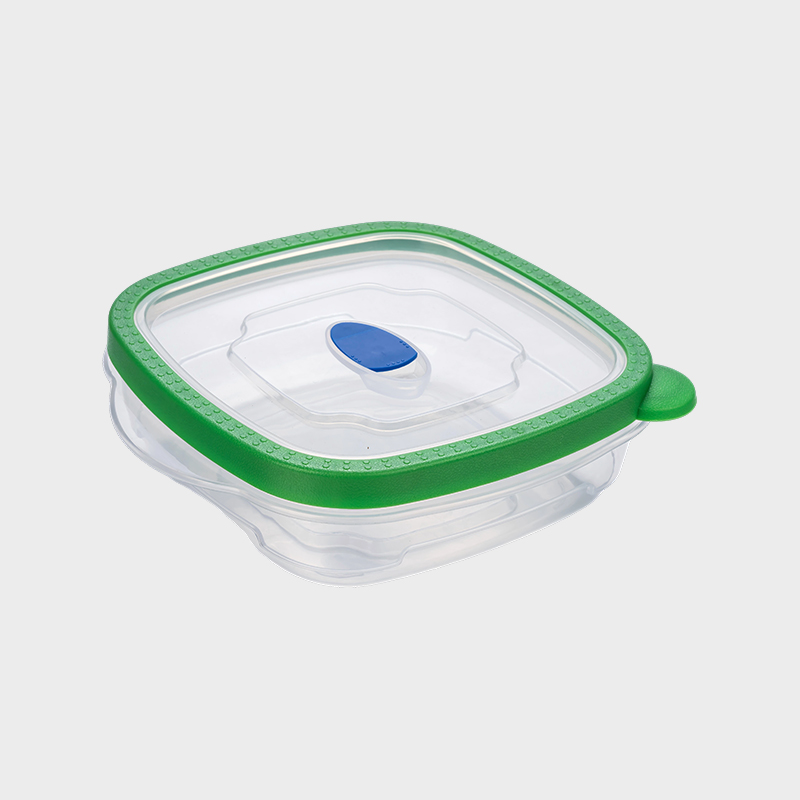 710ml Wide-Base Shallow Square PP Food Preservation Container with Vented Green Overmolded LidThis shallow, wide-base 710ml container is engineered for cold-chain logistics and crush-sensitive items. Its heavy-duty 98g structure and overmolded vented lid provide reliable airtight sealing and flat-pack stacking, making it a strong choice for bulk or commercial freezing needs.View Product →
Key Features of a Good BPA-Free Freezer Container
The best freezer containers combine three things: food-grade PP, an airtight lid, and enough headroom for food expansion. Beyond that, look for practical details that make freezing and reheating easier.
- Material: PP or LDPE, not PS or PET.
- Temperature rating: at least -20°C to 100°C.
- Airtight lid: a silicone gasket or four-side latch prevents freezer burn and leaks.
- Stackability: square or rectangular shapes save freezer space.
- Visibility: clear or translucent bodies help you identify contents quickly.
- Dishwasher safety: a container that survives repeated washing keeps its seal longer.
- Microwave compatibility: useful if you plan to reheat straight from frozen, though you should remove the lid or vent it.
These features are not optional luxuries. A lid that does not seal properly lets in cold, dry air, which causes freezer burn and off-flavors. A brittle plastic can shatter into food. So prioritise material and seal over colour or brand.
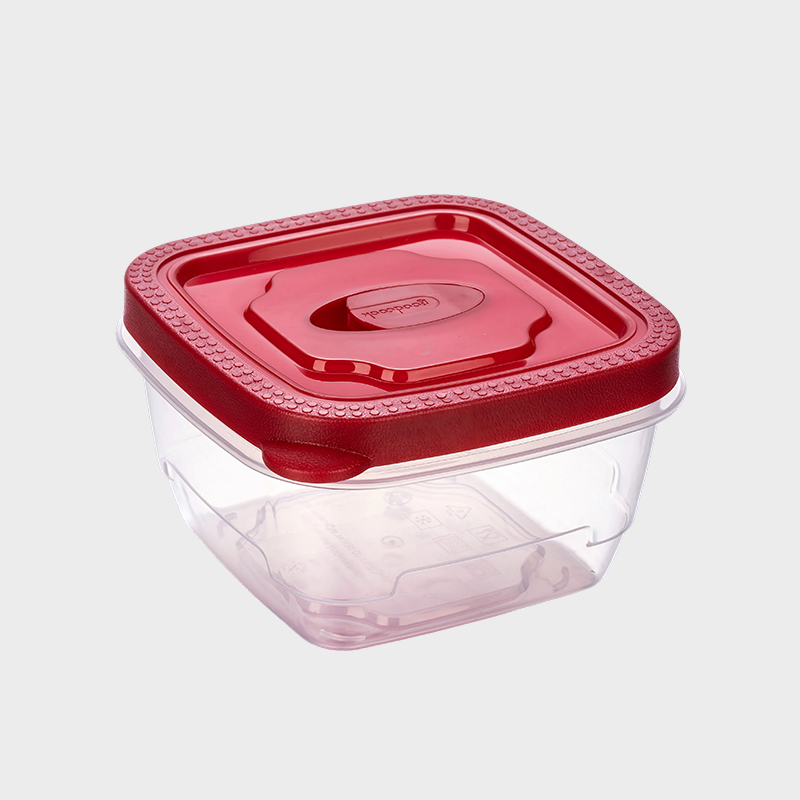 640ml Square PP Food Preservation Container with Vented Red Overmolded LidA 640ml square container designed for commercial food service and freezer storage. The red overmolded lid includes a central vent for microwave reheating and a secure seal that prevents freezer burn, while its stackable geometry suits dense refrigerator or display layouts.View Product →
How to Freeze Food in Plastic Containers Properly
To keep frozen food at its best, leave at least one inch of headspace because liquid expands as it freezes, and always cool food before placing it in the freezer.
- Cool freshly cooked food completely in the fridge before transferring it to a freezer container.
- Divide food into portion-sized amounts so you can thaw only what you need.
- Fill the container to no more than three-quarters full to allow for expansion.
- Seal the lid firmly; if the container has a silicone gasket, check that it fits flat.
- Write the contents and freeze date on the lid or a label.
- Thaw overnight in the fridge, not on the counter, to keep the texture and safety intact.
Containers with straight sides and a wide opening, such as the 946 ml PP frozen dessert cup, are especially practical for soups, stews, and ice cream bases because they are easy to scoop from and stack neatly.
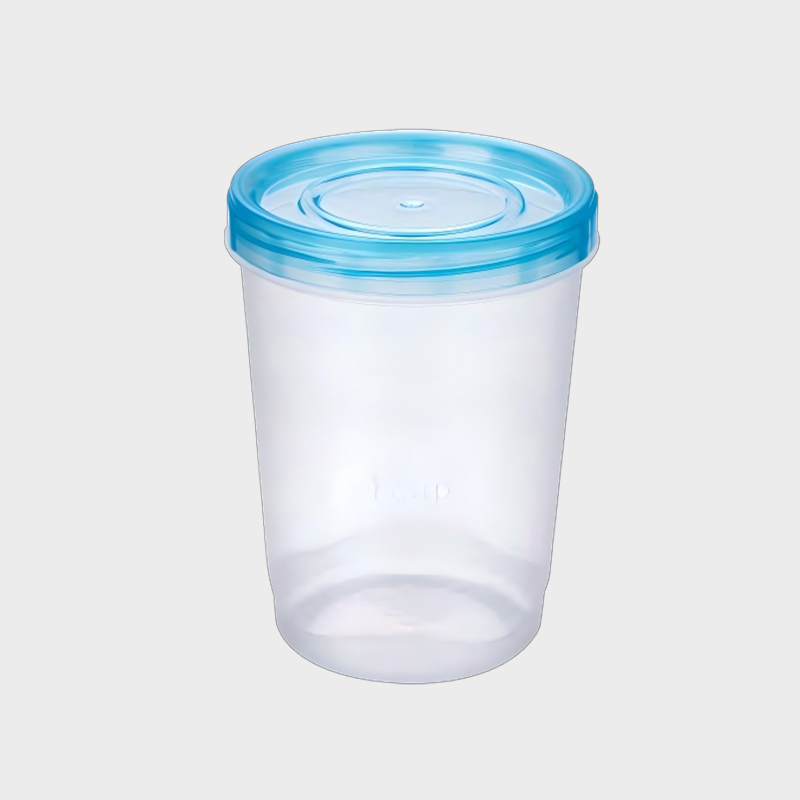 946ml High-Cylinder PP Industrial Frozen Dessert Storage CupThis 1-quart high-cylinder cup is built for frozen desserts and dairy products. Its cold-resistant PP body and interlocking blue lid allow safe vertical stacking in freezers, while the transparent side wall enables quick volume checks—practical for commercial kitchens and wholesale operations.View Product →
BPA-Free Plastic vs Glass vs Silicone for Freezing
For freezing, BPA-free plastic offers a balance of low weight, stackability, and shatter resistance that glass cannot match, while silicone is flexible but often more expensive and less rigid.
| Material | Freezer safe | Weight | Breakage risk | Best for |
|---|---|---|---|---|
| BPA-free PP plastic | Yes, if rated | Light | Low | Soups, leftovers, meal prep |
| Glass | Yes | Heavy | High if not tempered | Portion meals, marinating |
| Silicone | Yes | Variable | Very low | Soups, sauces, bendable molds |
Note: not all glass is freezer-safe; only use tempered glass containers marked for freezing. BPA-free plastic avoids the breakage risk entirely and is generally cheaper to replace when stained or worn.
Common Freezer Container Mistakes to Avoid
Most frozen-food storage problems come not from the plastic itself, but from how the container is chosen and used. Here are six mistakes that can ruin containers and food.
- Using single-use takeout containers that are not rated for freezing — they crack in the freezer or absorb odors.
- Filling containers to the rim — ice expands and distorts the lid, breaking the seal.
- Putting hot food directly into cold plastic — thermal shock can stress the material and fade the plastic.
- Washing in hot water without checking the temperature rating — a low-cost PP container may warp and lose fit.
- Ignoring the lid — a missing or loose gasket invites freezer burn.
- Reusing thin deli tubs or single-use PET bottles as long-term freezer storage — they are too porous and brittle for months at -20°C.
Frequently Asked Questions
Here are answers to the most common questions about BPA-free plastic containers for freezing.
Are BPA-free plastic containers safe for storing frozen food?
Yes, when they are made from food-grade PP or LDPE and are explicitly rated for freezer use. BPA-free alone is not enough; the material must also withstand low temperatures without cracking or leaching.
What temperature can BPA-free plastic containers handle?
Most food-grade PP containers are rated between -20°C and 100°C. This covers a standard home freezer, which is usually around -18°C. If you use a deep freezer, look for a rating of -40°C.
How long can frozen food be stored in plastic containers?
BPA-free plastic does not change the recommended freezer storage time. Most cooked leftovers keep well for 2–3 months, while raw meat, poultry, and soups can be stored for 3–6 months if properly sealed. Always label containers with a date.
Can I microwave a BPA-free freezer container straight from the freezer?
Only if the container is marked both freezer-safe and microwave-safe. To avoid uneven heating and possible warping, remove the lid, keep the power on medium, and stir halfway through. Never heat an empty container.
For more questions about material safety and choosing food-grade products, check the product FAQ page or consult the detailed guide to food-grade fresh-keeping box reliability.