

 Español
 Deutsch
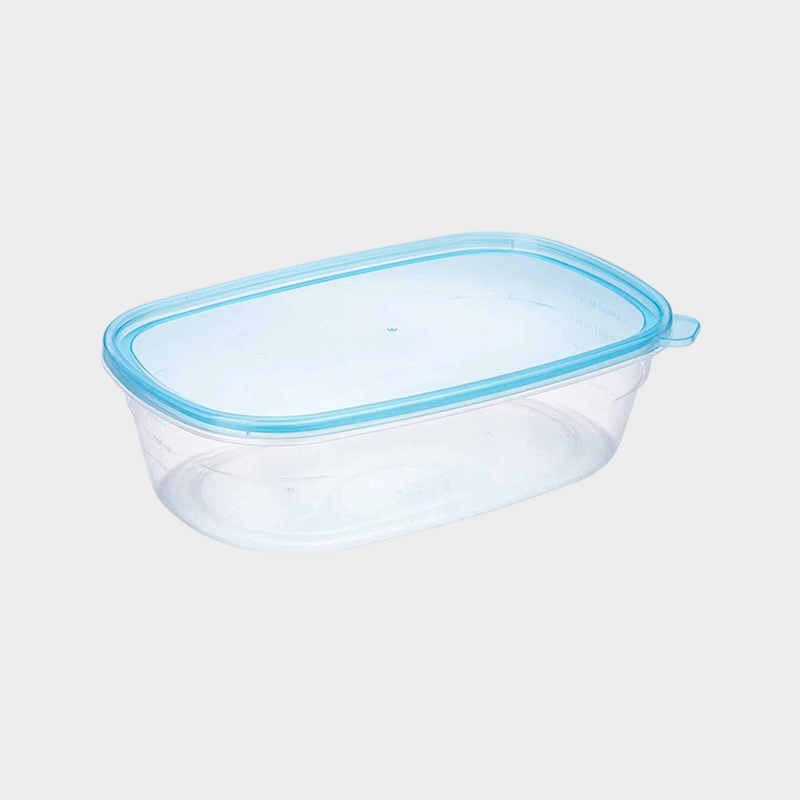
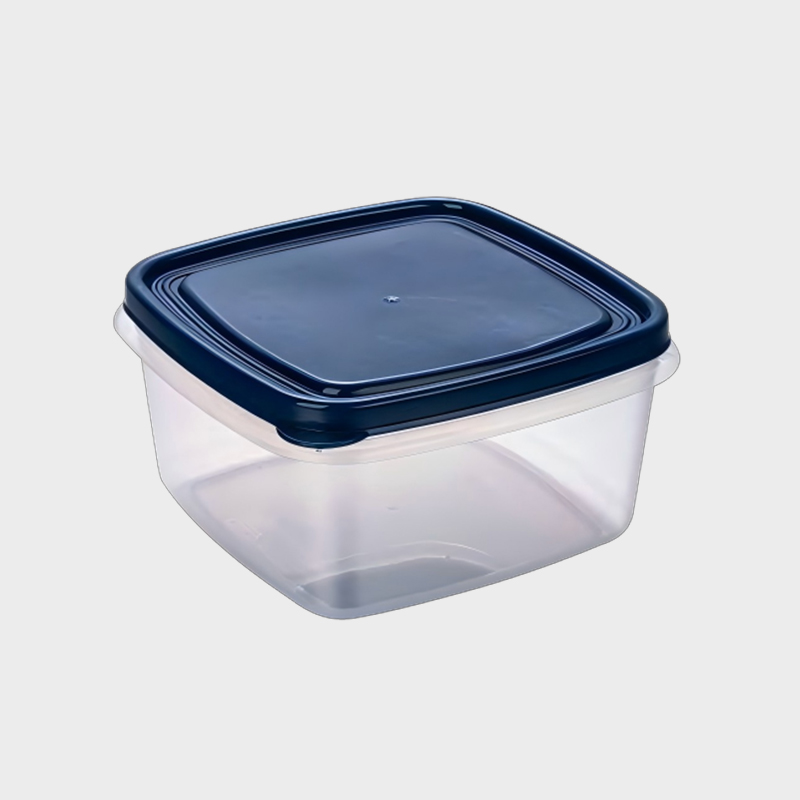
The best plastic storage containers are food-grade, BPA-free, airtight, and sized to match your specific storage needs — whether for pantry organization, meal prep, refrigerator use, or long-term dry goods storage. With hundreds of shapes, sizes, and resin types on the market, choosing the right plastic storage container can feel overwhelming. This guide cuts through the noise with data-backed comparisons, material breakdowns, and practical advice so you can organize smarter, store safer, and spend less.
What Are Plastic Storage Containers Made Of? Understanding Resin Codes
Plastic storage containers are manufactured from several distinct polymer types, each identified by a resin identification code (RIC) number from 1 to 7 — and not all of them are equally safe or durable for food contact. The RIC system was introduced by plastics industry groups to standardize recycling sorting, but consumers have learned to use it as a quick reference for material properties and safety.
Understanding which plastic your container is made from matters because different resins respond differently to heat, cold, acidic foods, fats, and repeated mechanical stress. A container marked safe for cold storage may warp or leach compounds when microwaved. The table below summarizes the most common plastics used in storage containers.
| RIC Code | Plastic Type | Common Use | Microwave Safe | BPA Risk |
| 1 — PET | Polyethylene terephthalate | Single-use bottles, deli containers | No | Low |
| 2 — HDPE | High-density polyethylene | Milk jugs, storage tubs, bins | No | None |
| 4 — LDPE | Low-density polyethylene | Flexible lids, squeeze bottles | Some | None |
| 5 — PP | Polypropylene | Meal prep containers, yogurt tubs | Yes (most) | None |
| 6 — PS | Polystyrene | Disposable cups, foam trays | No | Low-medium |
| 7 — PC / Other | Polycarbonate or mixed | Reusable water bottles (older) | Avoid | High (PC type) |
Caption: Resin identification codes for common plastics used in storage containers, with microwave safety and BPA risk ratings for each type.
For everyday food storage, polypropylene (RIC 5) is the gold standard. It withstands temperatures from -20°C to 120°C, is compatible with most dishwashers, and has a long track record of safe use with both hot and cold foods. HDPE (RIC 2) is ideal for large dry-storage bins and garage or pantry organization where microwave use is not needed.
Why BPA-Free Plastic Storage Containers Matter for Your Health
BPA (bisphenol A) is a synthetic compound used historically in polycarbonate plastics that has been linked to hormonal disruption, and reputable plastic storage containers today are manufactured without it. BPA mimics estrogen in the body, and studies have associated chronic low-level exposure with metabolic disorders, reduced fertility, and developmental issues in children. The European Food Safety Authority (EFSA) dramatically lowered its tolerable daily intake for BPA to 0.2 nanograms per kilogram of body weight per day in 2023 — a reduction of 20,000 times compared to the previous limit — reflecting updated understanding of its endocrine-disrupting potential.
The practical takeaway: look for containers explicitly labeled BPA-free and manufactured from RIC 2 (HDPE), RIC 4 (LDPE), or RIC 5 (PP). Avoid heating food in any plastic container unless it carries a microwave-safe symbol along with a BPA-free certification, and discard containers that show visible cracking, clouding, or surface degradation — damaged plastic surfaces leach compounds at higher rates.
How to Choose the Right Plastic Storage Container for Every Use
The right plastic storage container depends on four factors: where you will store it (pantry, fridge, freezer, garage), what you will store (dry goods, liquids, leftovers, bulk items), how often you will use and wash it, and what size you actually need. Buying containers without thinking through these variables leads to cluttered cabinets full of mismatched lids and containers that never get used.
Pantry and Dry Goods Storage
For pantry organization, airtight plastic storage containers with secure locking lids are the most effective choice, extending the shelf life of dry goods like flour, rice, and cereal by 2 to 4 times compared to open packaging. Square or rectangular containers use shelf and drawer space up to 30% more efficiently than round ones because they tessellate without gaps. Look for containers with wide mouths for easy scooping and measurement markings on the side for baking convenience.
Refrigerator and Meal Prep Storage
For refrigerator use and meal prep, polypropylene containers with silicone-sealed lids and stackable flat bottoms are the most practical — they resist cold-temperature brittleness and stack cleanly to maximize fridge real estate. A container with a 4-side locking clip provides an airtight seal that prevents odor transfer between different foods in the refrigerator. For meal prep specifically, a set of uniform-sized rectangular containers (around 900 ml to 1.1 L) allows consistent portioning and neat stacking.
Freezer Storage
Freezer-safe plastic storage containers must be rated for temperatures below -18°C, which rules out standard polystyrene and most thin PET containers that crack or become brittle at freezing temperatures. Look for containers explicitly labeled "freezer safe" — these are typically made from thicker-walled polypropylene or HDPE. Leave 2–3 cm of headspace when freezing liquids, as water expands about 9% in volume when frozen, which can crack rigid containers or pop lids.
Garage, Basement, and Utility Storage
For non-food storage in garages, basements, or utility spaces, large HDPE bins and stackable tote boxes are the most durable option, capable of withstanding temperature fluctuations, UV exposure, and heavy loads. Industrial-grade HDPE containers can support stacking loads of 50–120 kg depending on wall thickness. When storing in UV-exposed areas such as a balcony or garage with skylights, choose opaque containers — UV light degrades clear plastics significantly faster, reducing structural integrity within 2–3 years.
Airtight vs. Ventilated: Which Lid System Do You Actually Need?
Airtight plastic storage containers with silicone gasket seals are best for preserving food freshness, while ventilated containers or those with loose-fitting lids are better for produce that needs airflow to prevent premature moisture buildup.
| Lid Type | Best For | Not Ideal For | Freshness Benefit |
| Airtight silicone gasket | Dry goods, leftovers, liquids | Fresh leafy greens, mushrooms | High — blocks oxygen and moisture |
| Snap-fit lid (no gasket) | General dry storage, snacks | Liquids, soups, sauces | Medium — resists spills but not airtight |
| Ventilated / vented lid | Fresh produce, vegetables | Flour, sugar, grains | Controlled — reduces condensation |
| Screw-top / threaded lid | Liquids, powders, spices | Items needing fast access | High — leak-proof when sealed |
| Hinged clip / locking lid | Meal prep, transport | Bulk pantry bins | High — maintains seal under movement |
Caption: Comparison of lid types for plastic storage containers, with best use cases, limitations, and freshness benefits for each sealing mechanism.
How to Organize Your Home with Plastic Storage Containers
Effective home organization with plastic storage containers relies on three principles: standardizing sizes within zones, labeling consistently, and choosing a container shape that matches the space geometry.
Kitchen and Pantry Organization
Matching container sizes to your pantry shelf depth — typically 30–40 cm for standard kitchen shelving — and standardizing on one or two container families eliminates the chaos of mismatched lids. A well-organized pantry using uniform square airtight containers can store up to 40% more volume on the same shelf compared to leaving food in its original packaging. Decanting pasta, rice, lentils, cereals, and baking ingredients into labeled clear plastic storage containers also makes stock levels visible at a glance, reducing food waste and unplanned grocery shopping.
Closet and Wardrobe Storage
Clear, flat plastic storage containers with lids are ideal for organizing seasonal clothing, bed linens, and accessories in closets — they protect against dust, moisture, and pests while keeping contents visible without unpacking. For under-bed storage, low-profile containers with a height of 10–15 cm maximize the typically underused space beneath most bed frames. Stackable designs allow vertical layering in wardrobe bases and on high shelves.
Garage and Workshop Organization
Smaller compartmentalized plastic storage containers — sometimes called organizer boxes or parts trays — are essential for hardware, screws, cables, batteries, and tools, preventing the common problem of rummaging through mixed-item drawers. Latching cases with adjustable dividers allow you to customize compartment sizes as your storage needs evolve. For heavier items like power tools or camping gear, reinforced HDPE tote boxes with integrated handles and lid-lock tabs provide both portability and structural integrity.
Plastic vs. Glass vs. Stainless Steel Storage Containers: A Practical Comparison
Plastic storage containers win on price, weight, and versatility; glass wins on odor resistance, microwave safety, and longevity; stainless steel wins on durability and chemical inertness — but for most households, a mix of all three makes practical sense.
| Factor | Plastic | Glass | Stainless Steel |
| Weight | Very light | Heavy | Medium |
| Microwave safe | PP only, when labeled | Yes (borosilicate) | No |
| Odor / stain resistance | Medium (absorbs over time) | Excellent | Excellent |
| Drop resistance | Excellent | Poor (breaks) | Good |
| Cost (typical set) | €10–€40 | €30–€90 | €40–€120 |
| Freezer safe | Yes (PP, HDPE) | Yes (borosilicate) | Yes |
| Contents visibility | Yes (clear types) | Yes | No |
| Lifespan | 3–8 years | 10–20+ years | 15–25+ years |
Caption: Side-by-side comparison of plastic, glass, and stainless steel storage containers across eight practical performance and cost factors.
How Long Do Plastic Storage Containers Last — and When Should You Replace Them?
A good-quality polypropylene food storage container used and washed regularly will typically last 3 to 8 years before showing meaningful degradation, but specific warning signs — not just age — should trigger replacement.
The degradation of plastic is accelerated by three factors: repeated high-heat washing (dishwasher cycles above 70°C), UV light exposure, and contact with acidic or high-fat foods over time. When polymer chains break down, the container may become cloudy, warped, or develop a sticky or rough surface texture — all of which indicate that the material's integrity has declined and the risk of chemical migration into food has increased.
Replace plastic food storage containers when you observe any of the following:
- Deep scratches or surface pitting — These harbor bacteria even after thorough washing.
- Persistent odors that do not wash out — Indicates the polymer matrix has absorbed volatile compounds.
- Visible cloudiness or yellowing — Signs of polymer degradation from heat, UV, or chemical stress.
- Warping or lid that no longer seals — A damaged seal means the container is no longer airtight and cannot protect food properly.
- Staining that penetrates the wall — Tomato-based or turmeric staining that cannot be removed indicates a porous surface.
What Size Plastic Storage Container Do You Need? A Practical Sizing Guide
Choosing the right container size prevents wasted space, excessive air in the container (which accelerates spoilage), and the frustration of food not fitting — the most useful sizes for a home kitchen range from 350 ml for single servings to 8+ liters for bulk pantry staples.
- 250–400 ml: Single-serve snacks, cut fruit, dips, small leftovers, children's lunchboxes.
- 500–750 ml: Individual meal portions, soups, salads, yogurt, small dry goods.
- 900 ml–1.2 L: Standard meal prep portions for one to two people, leftover pasta or rice dishes.
- 2–3 L: Family-sized leftovers, batch-cooked sauces, medium dry goods like oats or nuts.
- 4–6 L: Flour, sugar, dried legumes, large batch cooking, bulk cereal.
- 8–25 L: Bulk pantry items, pet food, grains, garage hardware, seasonal clothing items.
How to Clean and Maintain Plastic Storage Containers
The most effective way to clean plastic food storage containers is to wash them promptly after use with warm water and mild dish soap, before residues dry and bond to the surface — leaving food to dry inside significantly increases staining and bacterial adhesion.
- Remove tomato and turmeric stains with a paste of baking soda and water left for 30 minutes before rinsing, or by placing the container in direct sunlight for several hours — UV light naturally bleaches many organic stains.
- Eliminate persistent odors by filling the container with a solution of equal parts white vinegar and water, sealing the lid, and leaving it overnight. Rinse thoroughly the next day.
- Dishwasher use — Most PP and HDPE containers are top-rack dishwasher safe. Bottom-rack dishwasher cycles expose containers to direct heating elements that can warp lids and degrade gaskets faster.
- Gasket maintenance — Remove silicone gaskets from lids periodically and wash them separately. Gaskets can trap food residue and mold at their edges if only surface-cleaned while fitted.
- Avoid abrasive scrubbers — Steel wool or hard-bristle brushes scratch plastic surfaces, creating micro-grooves that accumulate bacteria and accelerate degradation.
Sustainability and Recycling: What Happens to Plastic Storage Containers at End of Life?
Plastic storage containers made from HDPE (RIC 2) and PP (RIC 5) are among the most widely accepted materials in municipal recycling programs, but contamination from food residue is the primary reason they get rejected at sorting facilities. Globally, only about 9% of all plastic ever produced has been recycled, according to data from the Organization for Economic Co-operation and Development (OECD). The single biggest step individual consumers can take to improve this rate is to thoroughly rinse containers before placing them in the recycling bin.
To maximize sustainability when buying plastic storage containers: choose durable, repairable designs over cheap single-use alternatives; prioritize containers with replaceable lids and gaskets (which allows you to replace only the failed component rather than the whole set); and look for containers made with post-consumer recycled (PCR) plastic content, which are increasingly available and reduce demand for virgin petroleum-derived polymer.
Frequently Asked Questions About Plastic Storage Containers
Are all plastic storage containers food safe?
No — not all plastics are designed for food contact. Always look for containers labeled "food grade" or "food safe," which indicates the manufacturer has confirmed the resin meets regulatory standards for direct food contact (such as FDA 21 CFR or EU Regulation 10/2011). Avoid using non-food-grade storage bins, buckets, or containers — even if they seem clean — for storing food, as they may contain stabilizers or colorants not approved for food contact.
Can I microwave food in plastic storage containers?
Only if the container is explicitly labeled "microwave safe" — typically RIC 5 polypropylene containers that have been tested and approved for intermittent microwave use. Even microwave-safe containers should not be used for heating foods with very high fat or sugar content, as these reach temperatures far above the boiling point of water and can stress the plastic. When in doubt, transfer food to a glass or ceramic vessel before microwaving.
How do I stop plastic containers from smelling like the food stored in them?
Rinse containers immediately after use rather than leaving food residue to dry and bond with the polymer surface. For lingering smells, fill the container with crumpled newspaper overnight — the paper fibers absorb odors effectively. A baking soda and water soak for several hours is also very effective for strong smells from onions, garlic, or fish. If odors persist after multiple deep-cleaning attempts, the polymer matrix has likely absorbed the volatile compounds permanently and the container should be replaced.
What is the safest plastic for storing food long-term?
For long-term dry food storage, food-grade HDPE (RIC 2) buckets with gamma seal lids are considered the safest and most durable option. HDPE is chemically inert, has excellent moisture barrier properties, blocks light when opaque, and can store dry goods like grains, beans, and flour safely for years or even decades when oxygen absorbers are included. For refrigerator and everyday use, food-grade polypropylene (RIC 5) is the best balance of safety, durability, and convenience.
How do I keep lids from warping in the dishwasher?
Always place lids on the top rack of the dishwasher, away from the heating element located at the bottom of most machines. Remove lids promptly when the cycle finishes rather than leaving them through the heat-dry phase. If your dishwasher has an air-dry or heated-dry option, use air-dry for plastic items. Some premium containers come with lids manufactured from higher-heat-resistant PP grades that tolerate dishwasher drying cycles better than standard lids.
Do plastic storage containers need to be stored with lids on or off?
Store plastic containers with lids off or loosely placed on top — not sealed shut. Sealing empty containers traps residual moisture from washing, which promotes mold and unpleasant odors over time. Nesting containers without lids and stacking lids vertically in a separate rack or using a lid organizer keeps cabinets tidy while allowing complete airflow.
Are clear or opaque plastic storage containers better?
Clear plastic storage containers are better for everyday kitchen and pantry use because they let you see contents at a glance, reducing food waste from forgotten leftovers and simplifying stock checks. Opaque containers are better for light-sensitive dry goods such as whole grains, nuts, and flaxseed, where UV and visible light can accelerate oxidation of fats and degrade nutrients. For garage and utility storage, opaque containers offer additional UV protection and are more structurally robust in outdoor-adjacent environments.
Conclusion
Plastic storage containers remain one of the most versatile, affordable, and practical organization tools available for kitchens, pantries, refrigerators, freezers, and utility spaces — provided you choose the right material for the right job. Polypropylene for food contact and microwave use. HDPE for bulk and long-term storage. Airtight silicone-gasket lids for freshness. Square shapes for space efficiency. And BPA-free certification across the board.
By understanding resin codes, matching container size and lid type to your storage task, and replacing containers at the first signs of degradation, you can get years of safe, efficient use from a well-chosen set of plastic storage containers. Invest a little time upfront in selecting the right types, and your kitchen and home will reward you with an organization system that actually works.