

 Español
 Deutsch

Pickling in plastic containers is perfectly workable for refrigerator pickles, fermented vegetables and bulk brine storage, provided the tub is made from a food-grade resin that resists acid and the lid still seals properly. It is a poor choice for boiling-water-bath canning, for hot brine poured into thin single-use jars, and for any container that has gone cloudy, scratched or permanently scented.
Pickling is the preservation of food in an acidic environment, either by adding vinegar or by letting a salt brine ferment into lactic acid. Both routes push the contents below pH 4.6, the line at which acid-tolerant moulds and spoilage bacteria stop multiplying. The container has one job: hold that environment without reacting to it, while either keeping oxygen out or letting fermentation gas escape at the right moment. Plastic can do both, but only when the grade matches the job.
Is Pickling in Plastic Containers Safe? The Resin Decides
Plastic is safe for pickling when the container is food-grade polypropylene or polyethylene and is used inside its temperature range. The word "plastic" tells you almost nothing; the resin code on the base tells you whether the tub will shrug off acetic acid for six weeks or start to craze within six days.
Two mechanisms cause trouble. The chemical one is migration: acid, salt and oil can draw additives and short-chain molecules out of a polymer, and the rate rises with heat, contact time, fat content and surface damage. The physical one is containment: thin walls and tired gaskets let brine evaporate, oxygen creep in and fermentation gas build pressure until something gives.
Food-contact compliance is the practical filter. A supplier should be able to produce a declaration of compliance for the relevant market regulation and migration test data for the finished article, not merely a resin certificate. Our own breakdown of what makes a food-grade plastic fresh-keeping box reliable covers the material, seal and safety checks buyers tend to ask about first.
A Resin-by-Resin View of Brine and Vinegar
Polypropylene and high-density polyethylene do most of the heavy lifting in pickling kitchens, while polystyrene and polycarbonate should stay out of the brine altogether. The table below reflects normal food-contact use at ambient to warm temperatures.
| Resin (code) | Acid and brine resistance | Practical heat ceiling | Best role in pickling |
|---|---|---|---|
| PP (5) | Excellent against vinegar and lactic acid | Roughly 100 °C, microwave tolerant | Tubs, latching lids, vented fermentation boxes |
| HDPE (2) | Excellent, also tolerant of high salt | Softens from around 70 °C | Opaque bulk fermentation drums and buckets |
| LDPE (4) | Good, but flexible and easily stained | Around 70 °C | Liners, flexible covers, short-term bagging |
| PET (1) | Good at room temperature | Distorts from roughly 60 °C | Sealed retail jars intended for a single trip |
| PS (6) | Poor, tends to craze and crack | Around 70 °C | Not suitable for brine beyond a few hours |
| PC (7) | Moderate, but not for long acid contact | High, yet irrelevant here | Not recommended for pickled food |
Where Plastic Outperforms Glass
Plastic wins on weight, transport safety and large batch handling, which is why most commercial pickle and fermented-goods operations run on PP tubs rather than glass. A few practical advantages stand out:
- Freight economics. A 6.5 litre PP tub weighs a fraction of the equivalent glass jar, so pallet weight and breakage claims both fall.
- Handling risk. Drop a glass jar in a chilled prep room and you lose product plus 20 minutes of cleaning. Polypropylene survives the drop.
- Fermentation hardware. Vented, overmoulded lids let carbon dioxide escape without opening the box, which cuts the labour of daily burping.
- Portion control. Shallow square formats pack tightly into display fridges and give even brine coverage over the produce.
- Stackability. Rectangular containers with a defined shoulder stack two or three high without loading the lid seal.
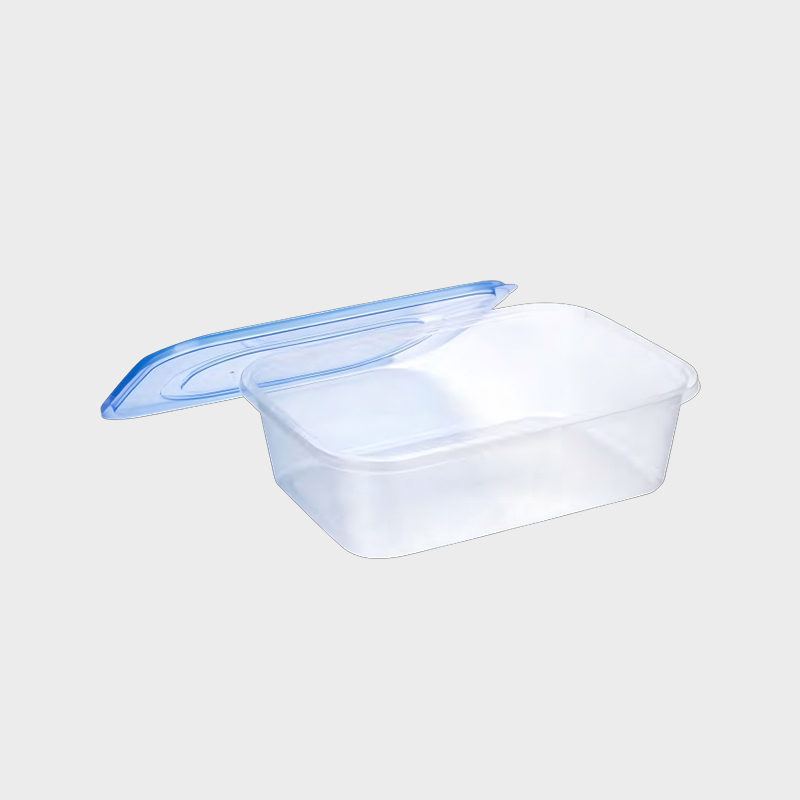 6.4L Large PP Food Storage Tub with LidProvides a spacious 6,400 ml polypropylene container with matching lid for bulk produce, fruit, vegetables and repeated commercial food handling.View Product →
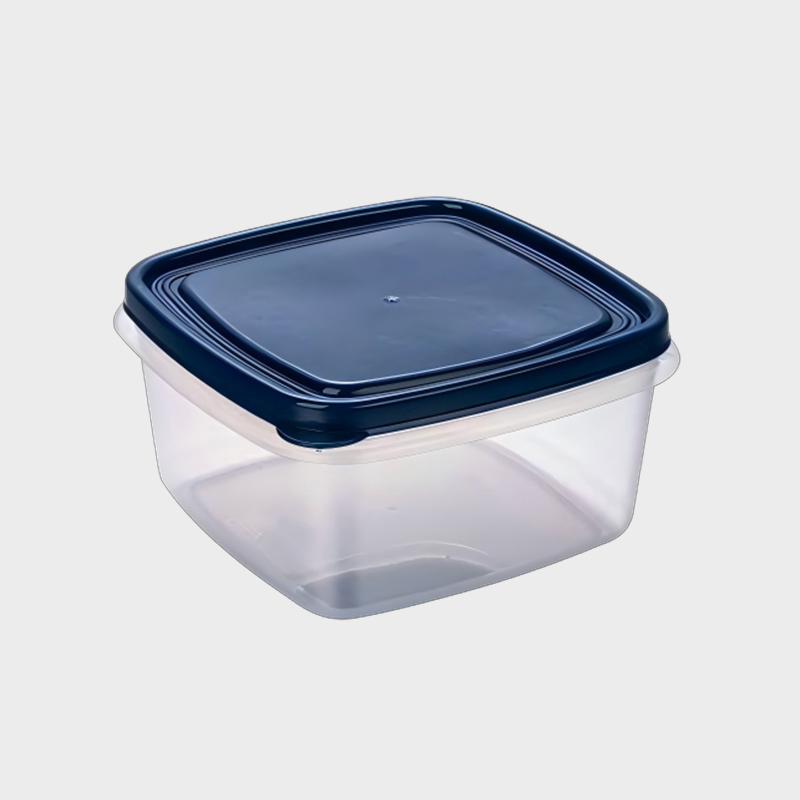
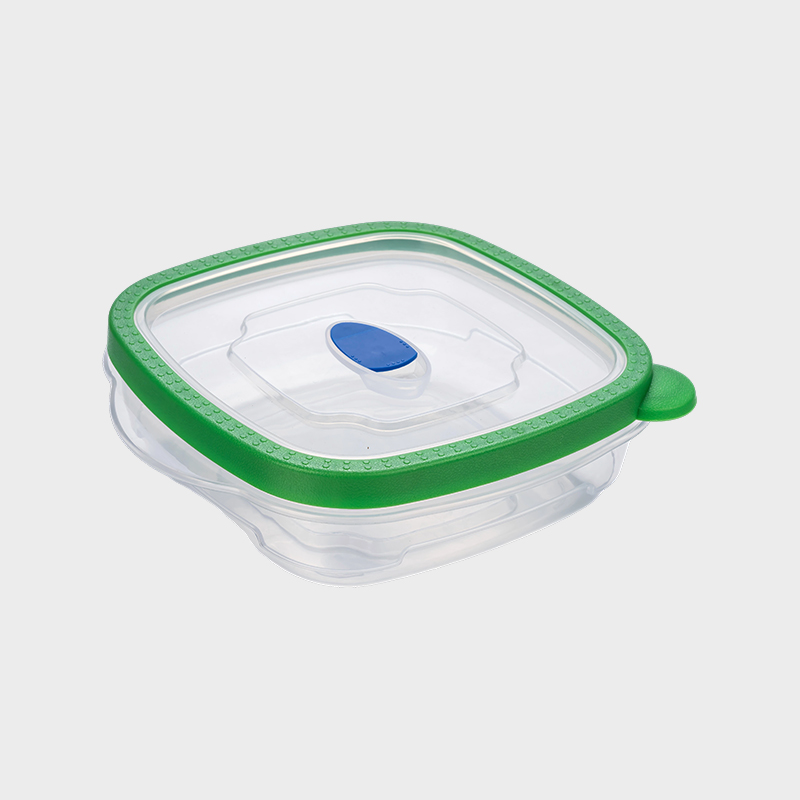 710ml Shallow Square PP Food Preservation ContainerWide-base 710 ml container supports single-layer portioning of fragile produce and chilled foods, with a vented overmolded lid for cold-chain handling.View Product →
Glass still has the edge for long-term decorative retail display and for anyone who wants a completely inert, non-staining surface at home. For volume, chilled logistics and repeated handling, plastic is usually the better commercial answer.
Three Failure Modes Blamed on the Plastic
- Odour and flavour carryover. Polypropylene and HDPE are semi-crystalline and will pick up volatile compounds from garlic, dill and chilli over repeated cycles. A dedicated pickle tub, plus a warm bicarbonate-of-soda soak before drying, prevents the next batch of sweet pickled onions from tasting of last month's kimchi.
- Scratches and clouding. Abrasive scouring pads and nesting wet containers against each other create micro-grooves that trap soil and increase the exposed surface available for migration. Once a tub feels rough to the fingertip, retire it from food contact.
- Seal and gas failures. Overfilled containers siphon brine through the gasket; sealed containers with active fermentation bulge the lid. Leave 1.5 to 2 centimetres of headspace and choose a vented lid, or burp the container daily and keep it over a tray.
None of these are arguments against plastic. They are arguments for specifying the right wall thickness, lid geometry and resin for the batch size you actually run.
Sizing the Tub to the Batch
Capacity should be chosen so the brine covers the produce completely while still leaving headspace for gas and expansion. Our full plastic fresh-keeping box range includes shallow, deep, round and latching formats, and the guidance below maps typical workloads onto them.
| Use case | Working volume | Suitable format | Headspace |
|---|---|---|---|
| Household fridge pickles | 700 ml to 1 L | Shallow square container with overmoulded lid | 1.5 cm |
| Weekly vegetable ferment | 1.5 to 2 L | Wide-base square with vented lid and weight | 2 cm |
| Deli or market batch | 3.5 to 6.5 L | Rectangular latching tub with four-side clips | 2 to 3 cm |
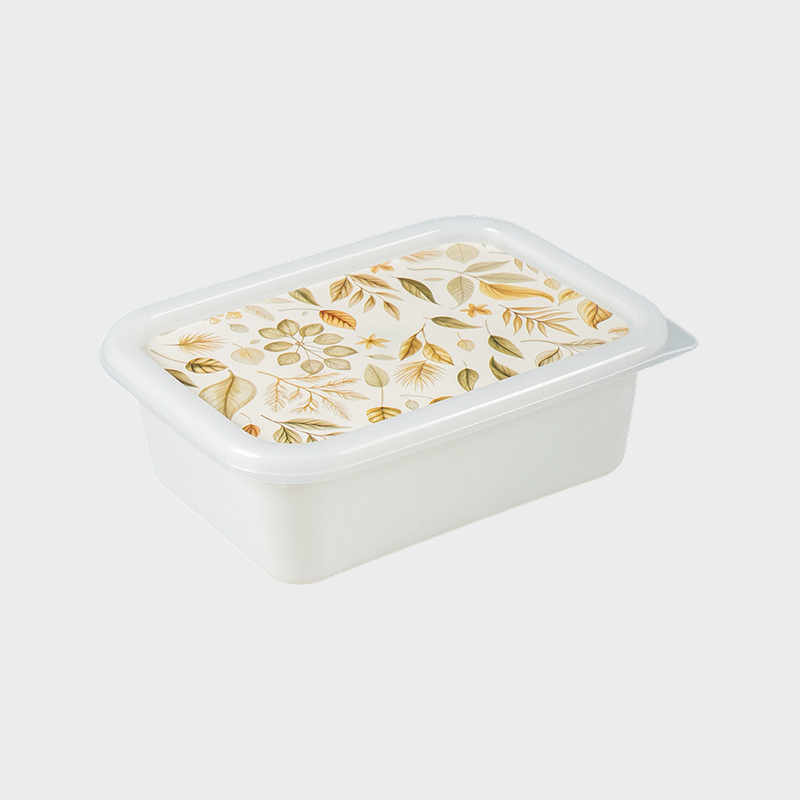
| Portion or catering service | 150 to 500 ml | Mini rectangular keeper with snap lid | 1 cm |
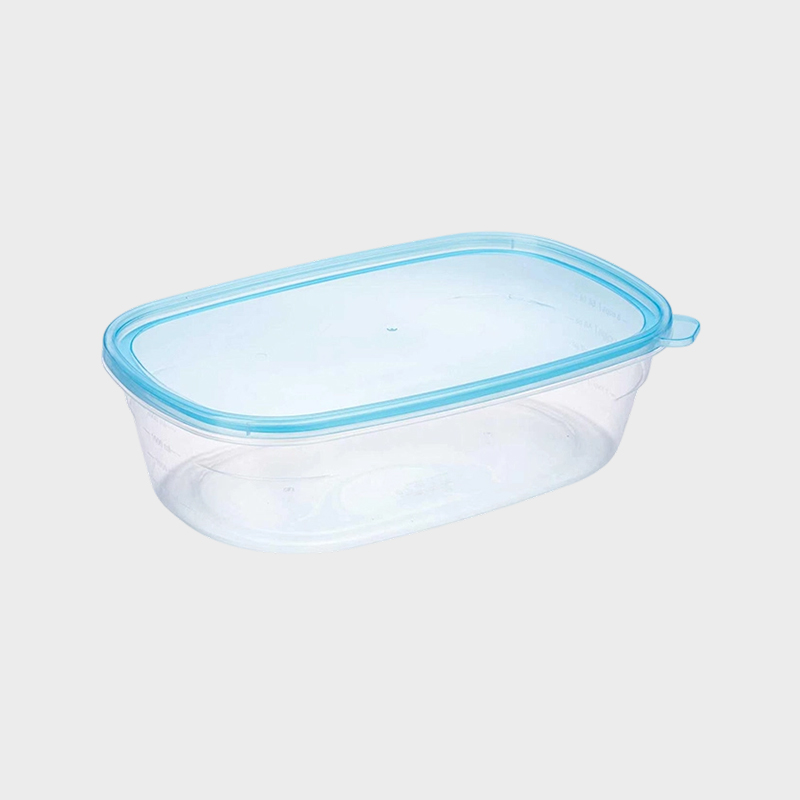
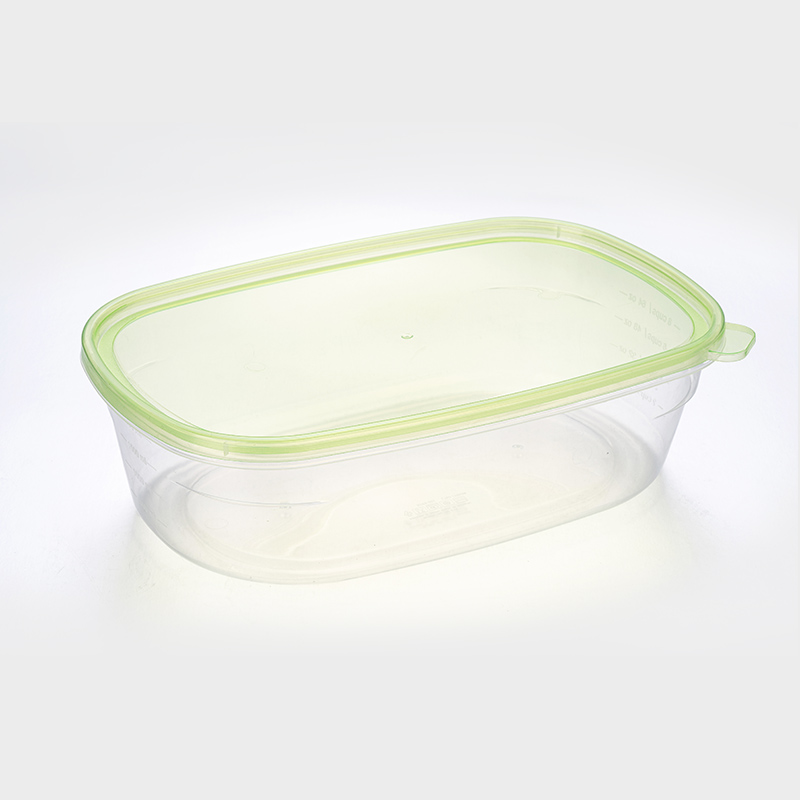 2.4L Rectangular Airtight PP Food Storage ContainersCustomizable 2.4 L rectangular containers use a silicone-gasket lid to block air and moisture, suiting stackable kitchen, fridge and commercial food storage.View Product →
Airtightness deserves its own check. A lid that holds water upside down under the tap is a good sign; a gasket that shows a visible gap at the corner is not. For acidified products stored longer than a few weeks, oxygen ingress matters more than most buyers expect, because it drives surface mould and dulls colour.
Cleaning, Sanitising and Retiring Plastic Pickle Containers
Warm water, mild detergent and a soft cloth remove brine residue without damaging the surface; harsh abrasion shortens the container's useful life far more than the acid does. A repeatable routine keeps a working set serviceable for years:
- Rinse immediately after emptying so salt crystals do not dry onto the wall.
- Wash in water under about 60 °C with a non-abrasive detergent and a soft sponge.
- Sanitise with a food-safe sanitiser mixed to label strength, then rinse with potable water.
- Air-dry upside down on a rack, with lids separated so the gasket channel dries too.
- Store unstacked or with a paper liner between containers to avoid scuffing.
- Retire any container that is cracked, cloudy, deeply scratched or still smells after washing.
Frequently Asked Questions
Does vinegar break down plastic containers?
Dilute household vinegar does not meaningfully degrade polypropylene or polyethylene at room temperature. Risk rises with concentrated acetic acid, hot fill temperatures and long contact, so keep hot brine out of thin containers and let it cool first.
Can I reuse the plastic jar a shop-bought pickle came in?
Only if the jar is PP or HDPE, is undamaged and was designed for refilling. Many retail pickle jars are PET, made for a single sealed trip, and they distort or craze when refilled with fresh brine and washed repeatedly.
Is a BPA-free tub automatically safe for brine?
No. BPA-free only speaks to one monomer; overall migration, additive content and gasket material all matter. Ask for the declaration of compliance and migration test reports rather than relying on a marketing claim.
Can pickled food be frozen in plastic containers?
Yes, in PP or HDPE with at least 2 cm of headspace, because brine expands as it freezes. Texture softens on thawing, so freezing suits relishes and chutney-style pickles better than crisp cucumber pickles.
How long do refrigerator pickles keep in plastic?
Expect two to four weeks of good texture and up to about two months of safety when stored at 4 °C or below with the produce fully submerged. Label each batch with the fill date and brine strength, and discard anything with a raised lid, off smell or surface film.
Pickling in plastic containers comes down to three decisions: confirm the resin is PP or HDPE, confirm the lid actually seals, and confirm the container never meets a boiling water bath or a hot fill. Get those right and plastic offers lighter freight, safer handling and cheaper large-batch storage than glass, with no meaningful compromise on food safety.
For buyers specifying containers at volume, the useful conversation is about wall thickness, gasket material, venting and the migration documentation that supports the claim on the label. Those details are what separate a tub that survives one season from one that survives five.