

 Español
 Deutsch
The short answer is yes: plastic containers are microwave safe when they are explicitly labeled microwave-safe, made from a tested polymer such as polypropylene, and used for short reheating cycles only. A microwave-safe label is not a suggestion; it is the result of migration testing that checks both heat resistance and the release of chemical additives into food. This guide explains what the label actually means, how to read recycling codes, and which reheating habits keep your food and your containers safe.
What "Microwave-Safe" Actually Means
Microwave-safe is a verified claim, not a marketing phrase; it means the container will not melt or warp under the tested heating conditions and that the migration of its ingredients into food stays within legal limits. In the United States, the FDA reviews the substances used in food-contact plastics under its food additive regulations, and any microwave-safe claim must be supported by migration data under realistic use. In the European Union, Regulation (EC) No 1935/2004 sets the framework, while Regulation (EU) No 10/2011 fixes an overall migration limit of 10 mg per square decimetre of contact surface, together with specific limits for individual substances.
The practical implication is that the label covers only the tested conditions. If you heat a microwave-safe container for 15 minutes at full power, use it for cooking raw meat, or reheat the same scratched container every day for months, you go beyond what the test data cover. Most plastic containers are approved for reheating leftovers in short bursts, not for cooking from raw or frozen.
How to Tell If a Plastic Container Is Microwave Safe
Before microwaving anything, check three things: an explicit microwave-safe label or symbol, a recycling code that is compatible with heat, and confirmation of whether the lid is also microwave-safe. If any of these is missing, transfer the food to a glass or ceramic dish; the cost of assuming the container is safe is not worth the risk.
| Code | Material | Common uses | Microwave-safe? | Notes |
|---|---|---|---|---|
| 1 | PET / PETE | Water bottles, soda bottles | No | Not designed for heat; deforms easily |
| 2 | HDPE | Milk jugs, detergent bottles | Usually not | Rarely rated; heating unverified |
| 3 | PVC | Cling film, some bottles | No | May release plasticizers; avoid |
| 4 | LDPE | Squeeze bottles, bread bags | Usually not | Low melting point |
| 5 | PP | Takeout boxes, lunch containers, food storage | Yes when labeled | Standard material for microwave-safe |
| 6 | PS | Foam containers, cups, yogurt pots | No | May leach styrene when hot |
| 7 | Other | Polycarbonate, bioplastics, multi-layer | Check label | Avoid if not explicitly labeled |
Which Plastics Are Actually Safe in the Microwave
Polypropylene, recycling code 5, is the plastic you can trust most for microwave reheating because its melting point of about 160°C (320°F) is well above the temperature of boiling food and it shows the lowest migration rates among common food-packaging plastics. Nearly all purpose-made microwave-safe containers on the market, from takeout boxes to bento lunch boxes, are molded from PP.
Foam containers, usually polystyrene (code 6), are not microwave-safe. High heat softens the foam and raises the risk of styrene migration, and the material can also melt onto the turntable. Polycarbonate, sometimes grouped under code 7, can contain BPA and should be avoided for hot food unless it is explicitly labeled BPA-free and microwave-safe.
What Happens When You Microwave the Wrong Plastic
Microwaving the wrong plastic can cause chemical additives to migrate into your food and can physically melt or deform the container itself. Heat increases the movement of polymer chains, which makes plasticizers, stabilizers, and colorants more likely to leave the material and enter the food, especially when the food is oily or acidic because these act as solvents.
Physical hazards matter too. A container that is not rated for the microwave can soften, collapse, and spill hot food, or it can melt onto the turntable and create smoke and a potential fire risk. Cracks and scratches worsen the situation because they increase the surface area available for migration and make the container harder to clean properly.
Best Practices for Reheating Food in Plastic Containers
Follow these rules to keep reheating convenient without pushing the container beyond its intended conditions.
- Use plastic containers for reheating only, never for cooking raw meat, eggs, or frozen entrees that require long heating cycles.
- Limit each heating session to 1-2 minutes at medium power, and stir the food between intervals to distribute heat.
- Vent the lid by leaving it slightly ajar or opening the designated vent hole to prevent pressure buildup and splattering.
- Remove metal clips, handles, or any foil before heating, because metal can cause arcing.
- Do not microwave cracked, warped, heavily stained, or odorous containers, because damage reduces the material's barrier properties.
- Switch to glass or ceramic for high-power, high-fat, or very hot reheating jobs such as soups and oily sauces.
Common Mistakes to Avoid
Most microwave accidents involving plastic come from a few repeated mistakes that are easy to correct.
- Heating single-use takeout containers that carry no microwave label. Even when the resin is PP, many disposable boxes are thin and warp before the food is hot.
- Confusing "food-grade" with "microwave-safe." Food-grade means the material is approved for food contact at room temperature, not that it tolerates heating.
- Heating a tightly sealed container, which builds internal pressure and may cause the lid to burst or the container to deform.
- Reusing a worn container dozens of times. The more temperature cycles the plastic goes through, the more its structure degrades.
What to Look For When Buying Microwave-Safe Containers
A reliable microwave-safe container starts with food-grade polypropylene, a clear and permanent label, and a manufacturer able to back the claim with migration test reports. Buyers in restaurants, takeout services, and meal prep businesses should ask suppliers for material certificates and confirm that the test data cover the finished product, including the lid.
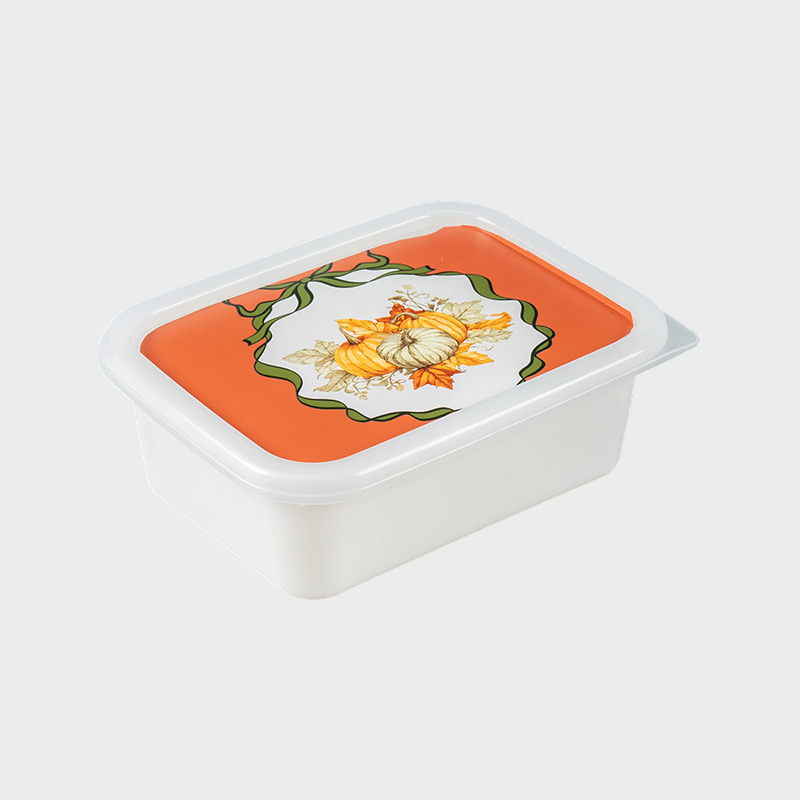
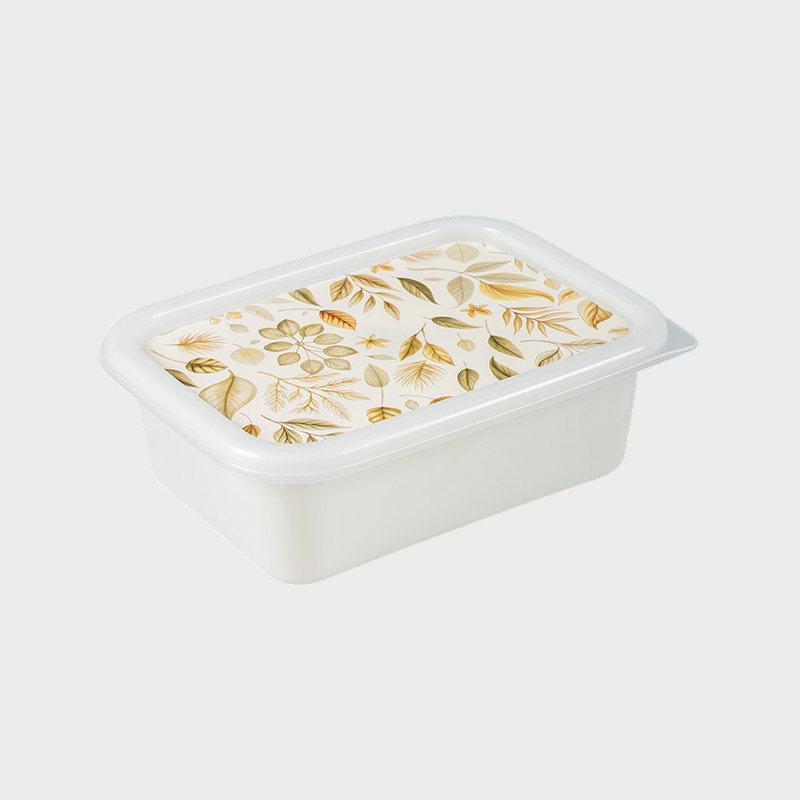
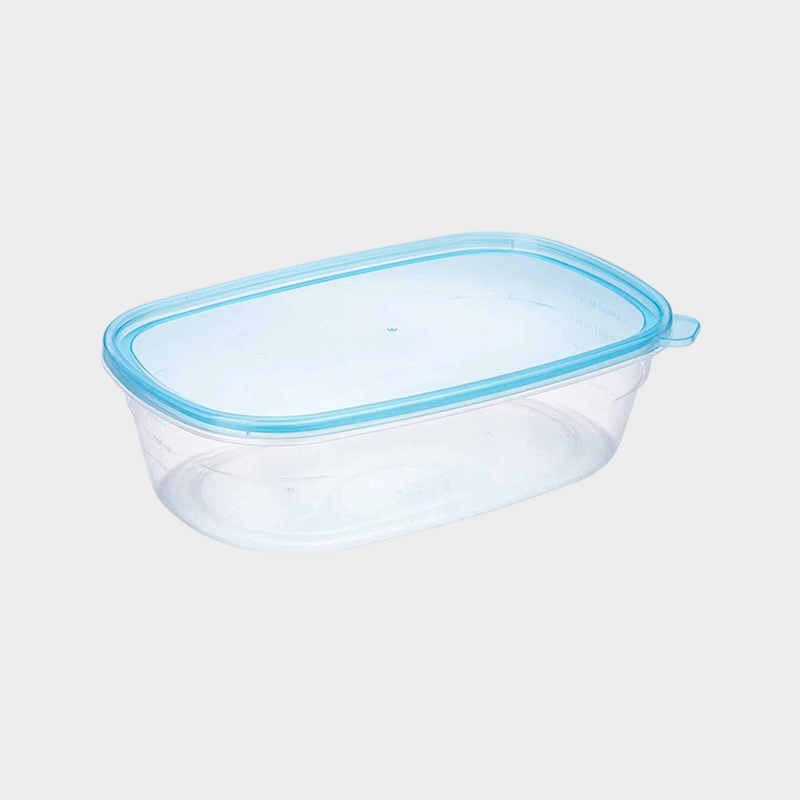
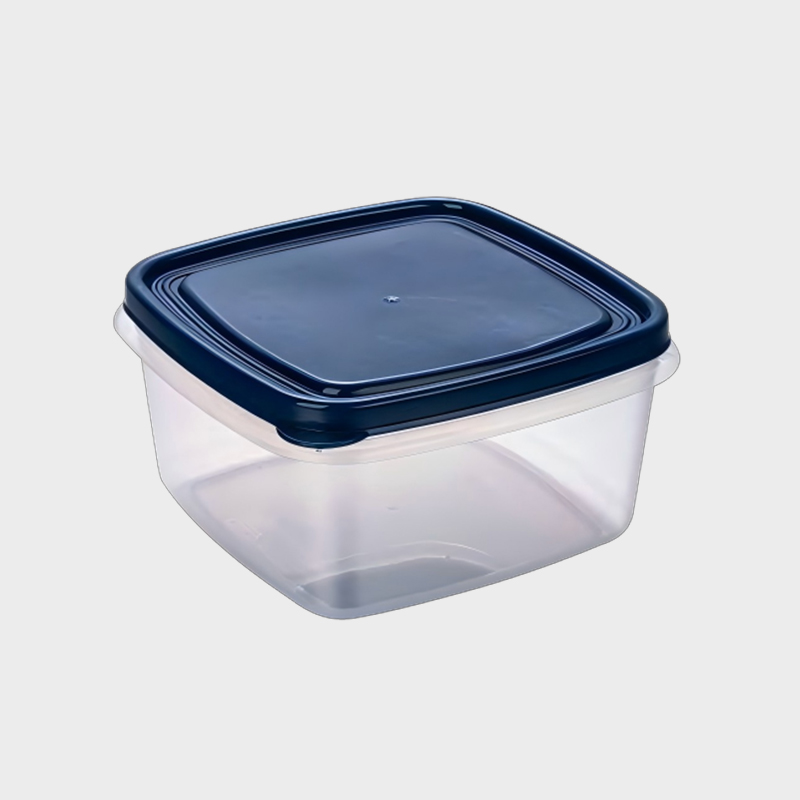
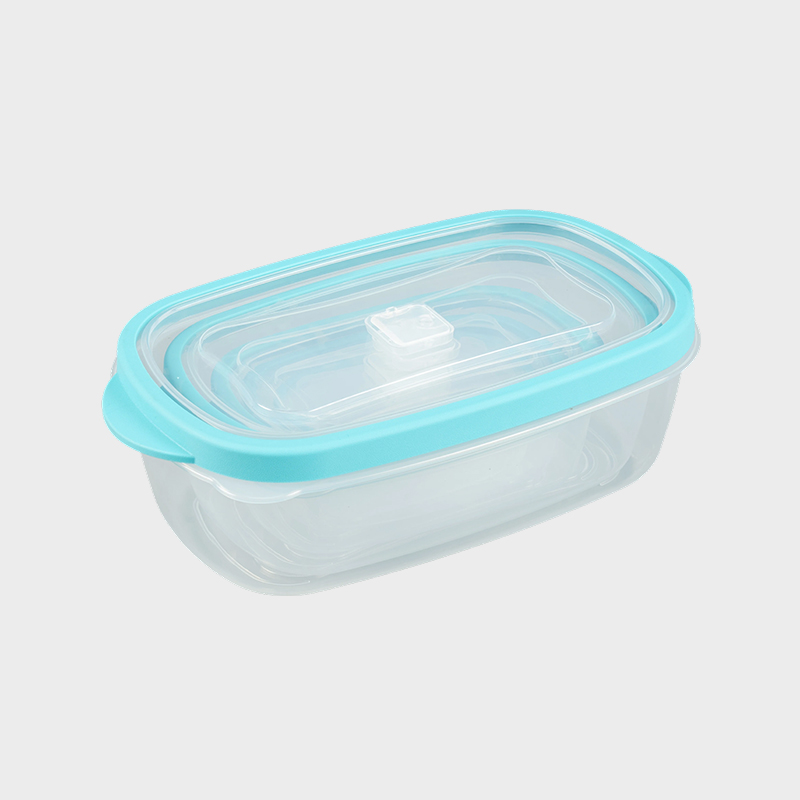
For daily home use, a purpose-made microwave-safe meal prep lunch container is a better choice than an unmarked takeout tub, because the PP body and vented lid were designed for reheating. If you want to keep an entree and a side separate, a microwave-safe double-compartment plastic food container heats each section evenly without the foods mixing. For households that want fewer single-use boxes, reusable plastic food storage containers with lids deliver the same microwave convenience over many cycles as long as you replace them when they show wear.
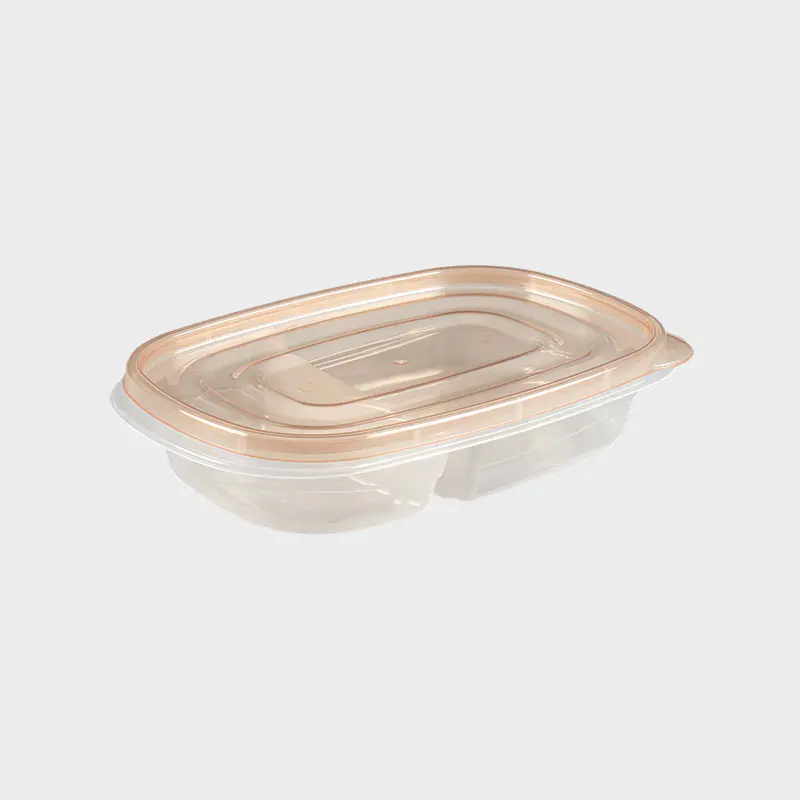 Microwave-Specific Children's Bento Box PFB016 Manufacturer, OEM/ODM Company - Ningbo Panfeng Mould Plastic is China wholesale Microwave-Specific Children's Bento Box PFB016 manufacturer and company, we offer oem/od...View Product →
For buyers evaluating suppliers, the guide to what makes a food-grade plastic container truly reliable explains how seal design, material quality, and manufacturing standards affect real-world safety.
Frequently Asked Questions
Can I microwave a plastic container that has no microwave-safe symbol?
No. Treat missing labels as a warning: transfer the food to a labeled container or to a glass or ceramic dish before reheating.
Can microwave-safe plastic be used for cooking, not just reheating?
No. Most microwave-safe plastic containers are designed for reheating pre-cooked food for short periods, not for cooking raw ingredients, boiling liquids for a long time, or baking.
How long can a microwave-safe plastic container stay in the microwave?
Keep each cycle to about 1-3 minutes, and follow the manufacturer's recommended time and power level. If the food needs longer, heat in short bursts and stir in between.
When should I throw away a microwave-safe container?
Replace it when it is cracked, warped, heavily scratched, badly stained, or has a persistent odor, since these signs indicate the plastic has degraded.
Bottom line: plastic containers are microwave safe when the label says so, the material is a tested polymer such as PP, and you respect short reheating times, vented lids, and reasonable power levels. Check the recycling code, avoid unlabelled single-use boxes, and replace worn containers. When purchasing for a home or a food business, buy from a manufacturer that provides clear labeling and documented test results. If you are still unsure about a specific container, the frequently asked questions about food containers page has additional practical guidance.