

 Español
 Deutsch
Microwaving food in plastic containers is safe only when the container is made of polypropylene (recycling code 5) or is explicitly rated for microwave use—and you follow the instructions. A thin takeout box, a scratched old container, or an unmarked plastic tub can release more additives into hot, fatty, or acidic food. The microwave itself is not the problem; the container and how you heat it are.
That answer matters because plastic food containers sit on almost every kitchen counter. Some are designed for reheating leftovers, while others are meant only for cold storage or one-time delivery. The difference comes down to resin type, additives, container condition, and heating time. This guide explains what “microwave safe” really means, how to spot risk, and what to buy if you want a container that holds up to daily use.
What “Microwave Safe” Really Means on a Plastic Container
“Microwave safe” is a claim that a container has passed a specific migration test under defined conditions—not a promise that it can handle every food, every power level, or every lifespan. In practice, the label usually means the plastic ispolypropylene (PP, code 5) and has been tested with a set time, temperature, and food simulant.
Plastics are not all the same. The resin code stamped inside the recycling triangle tells you what polymer you are holding. Some plastics soften at low temperatures, some contain plasticizers or stabilizers that move more easily when heated, and some are simply not intended for food contact at high heat.
| Resin Code | Common Plastic | Typical Food Use | Microwave Suitability | What to Watch |
|---|---|---|---|---|
| 1 | PET | Water bottles, cold cups | Not for reheating | Warps at high heat; not designed for microwave use |
| 2 | HDPE | Milk jugs, grocery bags | Rarely rated | Softens under heat; poor choice for reheating |
| 3 | PVC | Cling film, some packaging | Avoid | Plasticizers can migrate into food |
| 4 | LDPE | Squeeze bottles, wraps | Avoid | Low heat tolerance; not stable in microwave |
| 5 | PP | Lunch boxes, yogurt cups, microwave containers | Best choice when labeled | Use a vented lid; avoid very high fat for long time |
| 6 | PS | Foam takeout, clear cups | Avoid | Can melt and release styrene |
| 7 | Other (PC, etc.) | Old reusable bottles, some containers | Avoid unless labeled | BPA or other bisphenols may migrate |
Code 5 PP is the workhorse of microwave-safe food containers because it has a higher melting point and better heat resistance than most other food plastics. Even so, PP containers vary widely: a rigid, thick-walled lunch box performs differently from a thin, single-use container. Additives, colorants, and lid materials also matter.
If you are buying for a restaurant, meal-prep service, or retail brand, ask for the resin grade and migration test documentation. A container that is “microwave safe” on a spec sheet still needs the right lid, venting, and wall thickness to perform in real use.
What Happens When You Microwave Plastic
Microwave energy heats water molecules in food, and that heat moves into the container. As the plastic warms, small amounts of additives—such as antioxidants, plasticizers, or processing aids—can migrate into the food. The risk rises with heat, time, fat content, acidity, and physical damage to the container.
This is why a container can be safe for reheating plain rice at medium power for two minutes but risky for hot oily curry at high power for ten minutes. Fat and oil absorb and carry fat-soluble chemicals more readily than water-based foods. Acidic foods like tomato sauce can also stress the plastic surface over time.
Visible changes are a warning you should not ignore. Warping, cloudiness, scratches, cracks, and lingering odors mean the polymer has aged. Once the surface is compromised, more surface area is exposed to heat and food, and migration can increase. Retire those containers.
How to Choose a Microwave-Safe Plastic Container
Start with the resin code and the label, then check the design. A good microwave-safe container has clear documentation, a heat-resistant lid or vent, and enough wall thickness to handle repeated reheating without warping.
- Look for PP or recycling code 5 inside the triangle. If the code is 1, 3, 6, or 7, assume it is not for microwave reheating unless the manufacturer specifically says otherwise.
- Check for a “microwave safe” claim and read the instructions. Some containers are rated only for defrosting, not full-power cooking.
- Choose a container with a vented lid, loose cover, or steam-release tab. Sealing a container during heating can build pressure and push hot food against the plastic.
- Avoid thin takeout containers for repeated reheating. They are often designed for one delivery cycle, not daily microwave use.
- Replace containers that are scratched, stained, warped, or smell like old food. Damage is a practical sign that the surface is no longer stable.
For commercial buyers, thickness, lid fit, and material certification are buying criteria, not afterthoughts. A container that leaks or flexes under heat will not survive a busy kitchen.
Practical Rules for Reheating Food in Plastic
You can reduce migration risk without giving up plastic containers entirely. Use shorter cycles, lower power, and containers that are actually rated for the job.
- Use medium power and shorter time. Stir halfway through and check the food temperature instead of blasting it on high.
- Leave the lid ajar or use a microwave-safe cover with vents. Steam needs a way out, and pressure can distort the container.
- Transfer high-fat, high-sugar, or acidic foods to glass or ceramic when practical. These foods are the hardest on plastic.
- Do not microwave empty plastic containers or let them run without food. They can overheat quickly.
- Never reuse a single-use takeout box for repeated reheating. Its thin walls and unknown additives are not designed for that cycle.
- Follow the manufacturer’s maximum temperature and time limits. Exceeding them is the fastest way to increase migration.
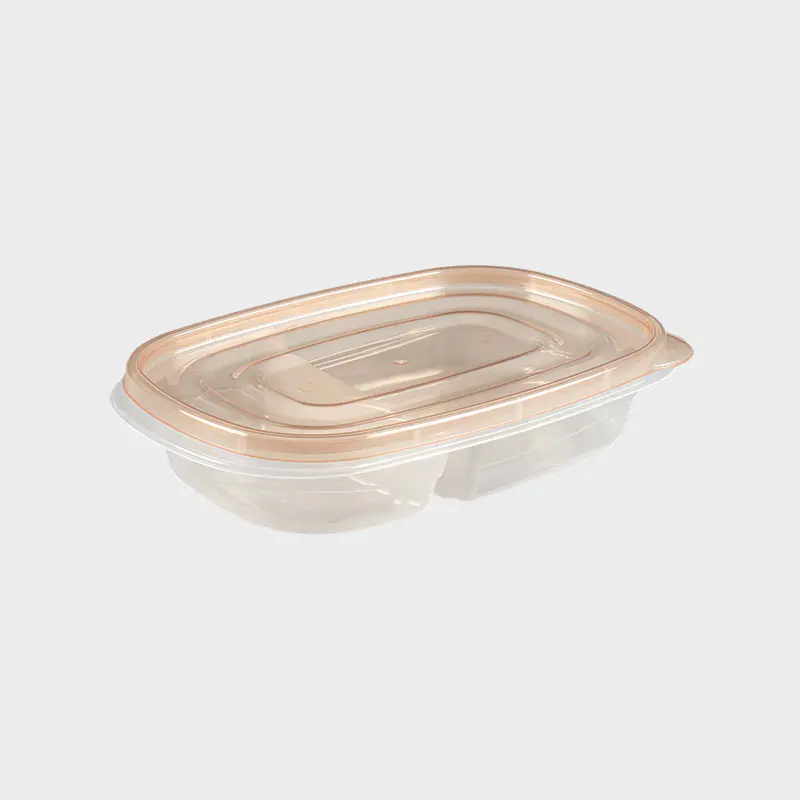 PP Microwave-Specific Children's Bento Box with Four CompartmentsFor meal prep and school lunches, this PP children's bento box offers four compartments and a leakproof, easy-open lid for microwave reheating.View Product →
For meal-prep and lunch-box use, look for containers with separate compartments, secure lids, and a clear PP specification. Those features keep food separated and make it easier to reheat only what you need.
Safe Alternatives and When Quality Plastic Still Makes Sense
Glass and ceramic are the most inert choices for microwave reheating. They do not leach additives, and they tolerate high heat, fat, and acid without changing. The trade-off is weight, breakage risk, and higher shipping cost for food businesses.
Quality PP containers remain useful when you need lightweight, stackable, shatter-resistant food storage for meal prep, delivery, or retail. The key is to choose containers made from food-grade PP with a documented microwave rating, vented lids, and consistent wall thickness. For a closer look at how material, seal, and safety claims fit together, see this guide to food-grade plastic fresh-keeping box reliability.
If you are comparing suppliers, ask three questions: What resin grade is used? Is there migration testing for microwave use? And how does the lid vent under heat? Those answers separate a container that can be reheated daily from one that should stay in the refrigerator.
FAQs About Microwaving Food in Plastic Containers
Is it safe to microwave food in plastic containers labeled microwave safe?
Usually yes, if you follow the label. “Microwave safe” means the container passed a migration test under specific conditions. It does not mean every food, every power level, or every old container is safe. Use medium power, vent the lid, and replace the container if it warps or scratches.
Can microwaving plastic cause cancer?
The concern is not that microwaves make plastic radioactive. The concern is chemical migration: some additives used in certain plastics may act as endocrine disruptors when they migrate into food. Risk depends on the plastic type, heat, time, and food. PP containers made for microwave use are designed to minimize that migration.
Can I microwave takeout containers?
Most takeout containers are not designed for reheating. Some are PP and may be labeled microwave safe, but thin walls and unclear additives make them a poor choice for repeated use. Transfer food to a known microwave-safe container or a glass bowl.
How do I know if a plastic container is microwave safe without a label?
Check the recycling code. PP or code 5 is the best plastic option, but the code alone does not prove microwave safety. Without a label or manufacturer confirmation, use it for cold storage only. Warping, cloudiness, and cracks are clear signs to stop heating it.
Does BPA-free mean microwave safe?
No. BPA-free only means the container does not use bisphenol A. It may still use other additives or a plastic resin that is not heat stable. Look for the microwave-safe label and the PP resin code separately.
Microwaving food in plastic containers comes down to material and habits: use PP or a documented microwave-safe container, keep heating time moderate, vent the lid, and retire damaged containers. For home cooks, that usually means a few reliable containers and a glass bowl for oily leftovers. For restaurants and food brands, it means sourcing containers with traceable resin, tested migration performance, and lids designed for real heating.
If you are sourcing microwave-safe food containers for a restaurant, retail brand, or meal-prep line, work with a manufacturer that can document resin grade, migration testing, and lid design. You can learn more about our factory and capabilities here.