

 Español
 Deutsch
BPA-free plastic containers with food-grade materials are a practical, safe, and affordable choice for everyday meal prep and leftovers — provided you know what the label really means.
BPA, or bisphenol A, is a chemical used in some polycarbonate plastics and epoxy resins. It can migrate into food when containers are heated, scratched, or used repeatedly. Choosing containers labeled BPA-free reduces that exposure. But not all "BPA-free" claims are equal, so this guide explains exactly what to check before buying.
What Does "BPA-Free" Actually Mean?
BPA-free means the plastic material used in the container contains no bisphenol A. The most common replacement materials are polypropylene (PP), polyethylene (PE), and some copolyesters. These materials are widely used in food storage because they resist moisture, grease, and acids well.
PP and PE also offer good heat tolerance for microwave use when the container is specifically rated for it. Still, a "BPA-free" label alone doesn't guarantee safety. You also need to check the food-grade declaration and the temperature rating.
Why BPA-Free Plastic Containers Still Make Sense
Glass and stainless steel are often recommended, but BPA-free plastic containers remain unmatched for three specific situations: lightweight meal prep, lunchboxes for kids, and stacking in small kitchens.
Plastic containers don't shatter when dropped, they weigh less, and they are easier to carry. When made from food-grade PP or PE and sealed properly, they can serve you for years without releasing harmful chemicals. The key is to choose a well-designed product, not to avoid plastic altogether.
How to Choose BPA-Free Plastic Containers: 6 Practical Checks
Start with the material identification code, then inspect the lid and the temperature rating. Here are the details that matter most:
- Look for "PP" or "5" on the bottom. Polypropylene is the safest mainstream plastic for hot food and microwave reheating.
- Check for a food-grade declaration. It may mention FDA, LFGB, or EU food contact regulations.
- Inspect the seal. A silicone gasket in the lid prevents leaks and keeps food fresh longer.
- Confirm the temperature range. If you microwave food in the container, the box and lid should both be rated for that heat.
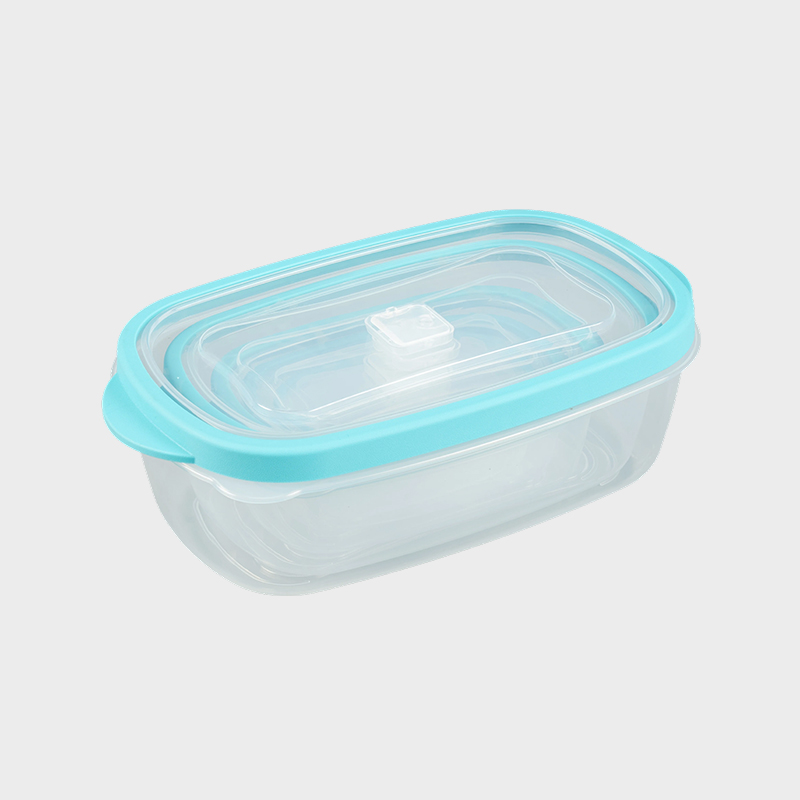
- Prefer containers with vents in the lid. Vents equalize pressure when reheating and stop lid warping.
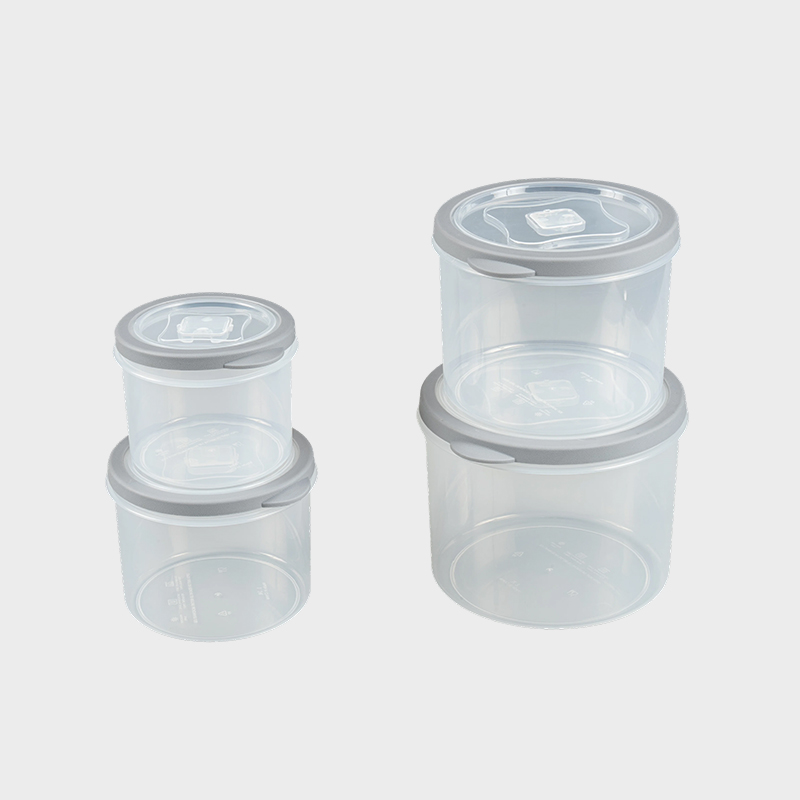
- Match the size to your routine. Small 300–500 ml containers work for snacks, while 1–2 L sizes handle meal prep batches.
Why the "BPA-Free" Label Is Not Enough
Some BPA-free plastics use alternative bisphenols like BPS or BPF, which may have similar endocrine-disrupting effects. The safest path is to choose containers made from polymer resins that are inherently bisphenol-free, such as food-grade PP, PE, and specific copolyesters designed for food contact.
In addition, ask the supplier whether the container has passed LFGB or FDA food contact tests. A reliable manufacturer will provide these documents on request. At the production level, do not risk using containers with unverified claims.
Comparing Common BPA-Free Plastics
Not all BPA-free plastics behave the same way. This table shows the practical differences between the three materials you will most often see in food storage products.
| Material | Recycle Code | Max Temperature | Transparency | Best Use |
|---|---|---|---|---|
| PP | #5 | 100–120°C (check lid) | Translucent or opaque | Microwave-safe meal prep, lunchboxes |
| PE | #2 or #4 | 70–90°C | Translucent | Cold and room-temperature storage |
| Copolyester | #7 | 90–100°C | Glass-clear | Visible storage, pantry jars, bottles |
Real-World Use Cases: Meal Prep, Leftovers, and More
What works for one kitchen may fail in another. Here are three common scenarios and the container characteristics that matter most.
Meal Prep for the Week
Choose containers in equal sizes with tight-fitting lids so you can stack them in the fridge and reheat them straight away. A 700–1000 ml rectangular box with a vented lid is a practical default.
Kids' Lunchboxes
Durable, leak-proof, and lightweight are the three must-haves. A divided tray with a lockable lid keeps sauces separate and prevents mess in the backpack.
Leftovers for Couples or Small Families
Look for sizes around 1–2 L with a wide base. A shallow rectangular container heats evenly and fits standard microwave turntables.
Care Tips to Keep Your BPA-Free Containers Safe
Even a high-quality container can degrade if you use it incorrectly. These habits extend its life and keep it food-safe.
- Hand-wash lids with silicone gaskets to prevent mold, or use the dishwasher if the box is labeled dishwasher-safe.
- Avoid using abrasive scrubbers on the inside surface; scratches create places for chemicals to cling.
- Do not microwave containers with cracked or badly warped lids.
- Replace containers when they become clouded, pitted, or very scratched.
- Check the bottom marking after each wash to confirm the plastic hasn't been rubbed off.
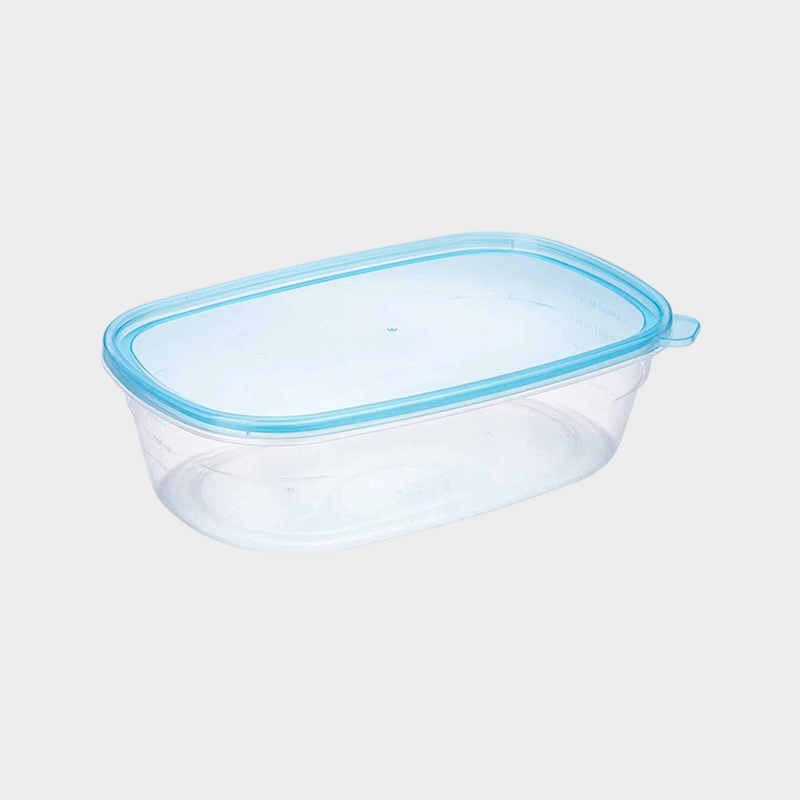
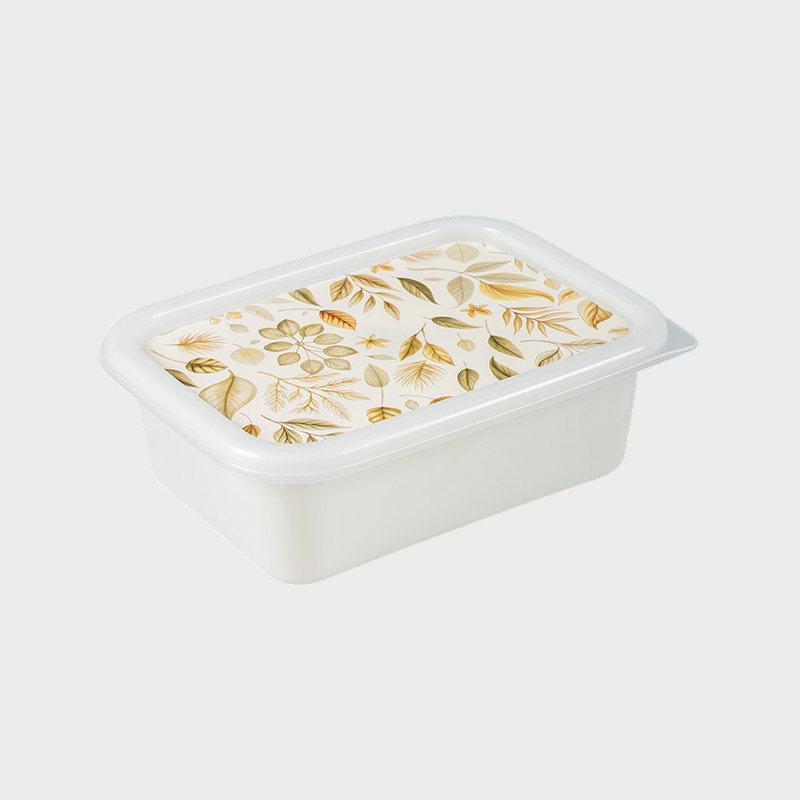
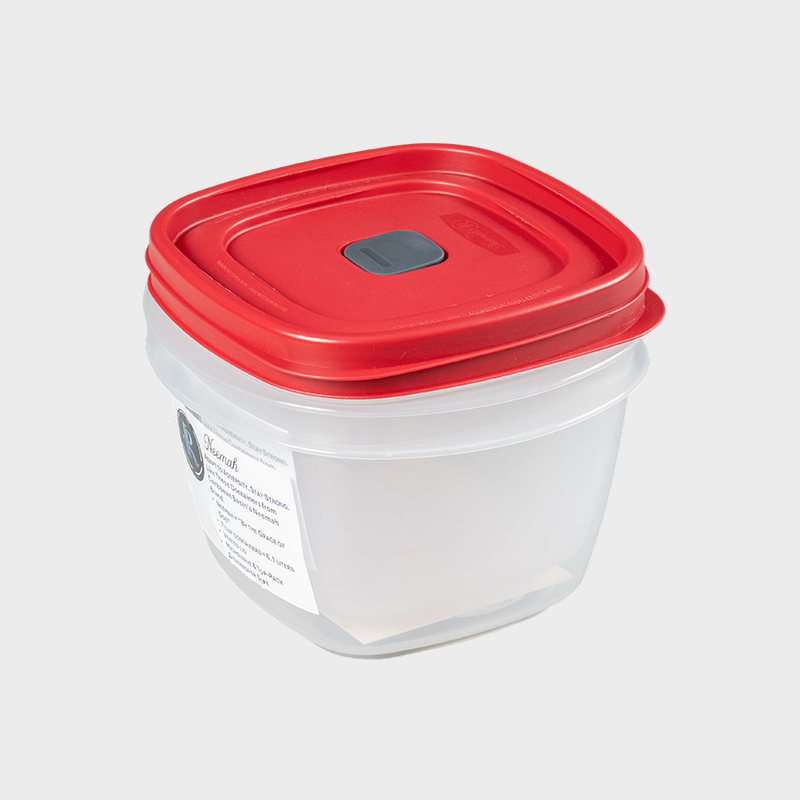 Food-grade PP Fresh-keeping Box for Moisture-proof StorageThis food-grade PP container effectively blocks moisture to keep fruits, nuts, and snacks fresh. It's microwave and refrigerator safe, with a durable seal and easy dishwasher cleaning, making it a practical choice for daily kitchen and fridge storage.View Product →
Frequently Asked Questions About BPA-Free Plastic Containers
You can find more answers on our FAQ page.
Is glass better than BPA-free plastic?
Glass is non-reactive and never contains BPA, but it is heavy, fragile, and often more expensive. BPA-free plastic containers win on cost, weight, and durability for everyday use when you choose food-grade PP or PE.
Do all plastic food containers contain chemicals that leach?
No. Food-grade plastics made from PP and PE have low migration under normal use. The risk increases when the container is heated above its rated temperature or scratched badly.
Can I microwave BPA-free plastic containers?
Only if the manufacturer marks the container as microwave-safe. The lid must also be microwave-safe and may need to be loosened to allow steam to escape.
What does "food grade" actually mean?
It means the material has passed food contact regulations, such as FDA or EU 10/2011, and is suitable for holding food. Always look for the food contact symbol or a printed certification statement.
BPA-free plastic containers are a solid, budget-friendly solution for everyday food storage when you choose the right material, confirm the food-grade claim, and handle them with care. Pay attention to the recycle code, the lid design, and the temperature rating before you buy. With those checks in mind, you will get years of safe service from a container that fits your real kitchen routine. For more details on our production standards, visit our factory overview.