

 Español
 Deutsch
Content
- 1 What Makes Disposable Plastic Containers Reliable?
- 2 Food Safety Starts With the Right Material
- 3 Design Features That Affect Takeout and Delivery
- 4 Meal Prep and Portioned Meals Need Purpose-Built Containers
- 5 Bakery and Dessert Packaging Is a Different Category
- 6 Recyclability and Sustainability in Disposable Plastic Containers
- 7 What to Verify When Sourcing Disposable Plastic Containers From a Manufacturer
- 8 A Sourcing Checklist for Disposable Plastic Containers
- 9 Final Advice: Match the Container to the Meal
Picture a busy Friday evening in a takeout kitchen. The crew packs three meals to go: hot rice, a saucy entree, and a side salad. Within fifteen minutes, two lids have popped open and one container is leaking onto the delivery bag. That failure was never about the food. It was about choosing the wrong disposable plastic containers.
The containers you buy affect food safety, portion control, pack speed, delivery performance, and the cost of every order. Choose well, and packaging becomes an invisible part of a good customer experience. Choose poorly, and every leak or loose lid chips away at your brand. This guide explains what to look for in disposable plastic containers and what to verify before you commit to a supplier.
What Makes Disposable Plastic Containers Reliable?
A reliable container does four jobs at once: it holds the food, keeps it at the right temperature, prevents leaks, and survives normal handling. When one of those jobs fails, the problem appears immediately at the counter or on the customer's doorstep.
Reliability comes down to measurable details: material quality, wall thickness, seal design, and geometry. A thin container with a loose lid can look fine in a supplier photo, but it will not survive hot food and stacked delivery bags. A container with stiff locking tabs, a snug-fitting lid, and even wall thickness handles the same meal without drama. When you evaluate samples, test them the way your kitchen actually uses them.
Food Safety Starts With the Right Material
The most important question about any disposable plastic container is not how it looks; it is what it is made of. Food-contact plastics must be manufactured from resins suitable for food use, and the finished product should not transfer harmful substances into the food it touches.
Polypropylene (PP) is a common material for hot takeout food because it withstands higher temperatures and resists greasy, acidic dishes. Polyethylene terephthalate (PET) appears more often in cold food packaging, cups, and lids. Both can be perfectly safe when produced under controlled conditions. The manufacturing process matters as much as the resin itself: contamination, poor temperature control, or non-food-grade additives can ruin an otherwise suitable material.
What "Food Grade" Really Means
Food grade is not one global certificate. It is a set of requirements that vary by region. In the United States, food-contact materials must meet FDA regulations that limit what can be used in products touching food. In the European Union, similar rules come from the EU framework on food contact materials.
When a supplier says a container is food grade, ask which standard it meets and ask for documentation. A reliable manufacturer answers that question with certificates and test reports, not with vague assurances.
Heat Tolerance and Microwave Use
Not every disposable plastic container is safe in the microwave. If your menu includes reheated meals, check the heat tolerance before ordering in volume. Microwave-safe containers are usually made from polypropylene, and the manufacturer should clearly state that the product is designed for microwave use.
Microwave safety is not just a convenience feature. Heating a container not designed for high temperatures can cause warping, leaks, or the release of substances you do not want near food. A genuine microwave-safe claim should be backed by testing, not added as a marketing label.
Design Features That Affect Takeout and Delivery
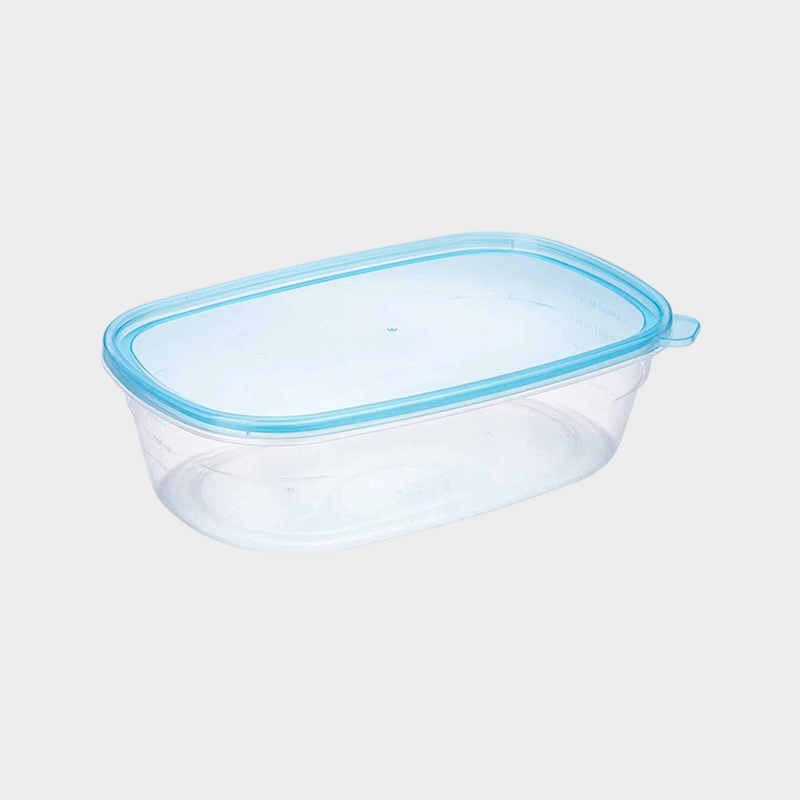
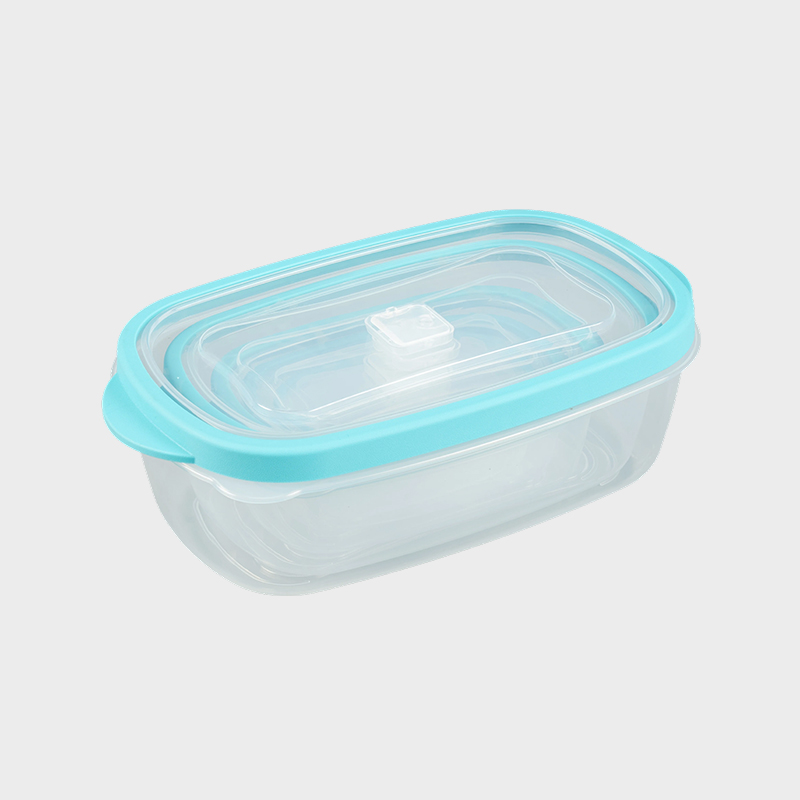
The design of a container determines how it behaves in real service. The most useful disposable plastic containers share a few practical traits: lids that stay closed in a delivery bag, compartments that keep food items separate, and smooth surfaces that make filling and stacking efficient.
Compartments deserve special attention. A double-compartment container lets a main dish and a side travel together without turning into a single soggy mixture. That matters for lunch specials, family bundles, and catering orders.
A good example is a microwave-safe double-compartment plastic food container, which separates two parts of a meal while remaining safe for reheating.
Stackability also affects your workflow. Containers that nest cleanly take up less shelf space, are quicker to grab, and reduce the time staff spend peeling apart stuck lids. During peak hours, those small gains compound into real time savings.
Meal Prep and Portioned Meals Need Purpose-Built Containers
Disposable plastic containers have moved beyond restaurant takeout. Meal prep companies, fitness nutrition brands, and corporate cafeterias use portion-controlled containers to deliver fresh, balanced meals in predictable shapes. In this segment, compartment design is the selling point.
A three-compartment container can hold a protein, a grain, and vegetables in one package. Customers see the whole meal at once, and kitchens can pack repetitive orders faster with less guesswork. A reusable three-compartment plastic bento box shows how the same layout works in a sturdier, reusable format, and the logic applies equally to disposable versions. The right design reduces cross-contact between foods and keeps sauces where they belong.
Bakery and Dessert Packaging Is a Different Category
Bakeries, dessert shops, and caterers cannot use the same disposable plastic containers as a fried-chicken takeout joint. Cakes and pastries need protection, visibility, and lids that do not smear the frosting. Shape matters as much as material.
For round cakes and layered desserts, a clear container with a locking lid protects the product during transport and lets customers inspect the cake without opening the package. A clear round plastic cake box with locking lid is a typical example of packaging that balances display value with structural protection.
Airtight fresh-keeping containers serve a similar role for smaller desserts and prepared foods that need to stay moist or stay crisp. Match the container to the product, and you reduce waste, returns, and disappointed customers.
Recyclability and Sustainability in Disposable Plastic Containers
Packaging buyers face growing pressure to reduce waste, and disposable plastic containers draw attention because they are used once and discarded. The responsible approach is not to ignore the issue; it is to choose recyclable products, favor designs that use less material, and work with manufacturers that operate sustainably.
Recyclability depends on the plastic type and on local recycling infrastructure. Polypropylene containers, for example, are recyclable in many regions when clean. Lighter container designs reduce material use without sacrificing stiffness, which lowers the environmental footprint of every order.
The manufacturer's own practices matter too. A supplier with documented certifications such as BSCI signals that ethical labor, social responsibility, and sustainable operations are part of the factory's routine, not just talking points.
What to Verify When Sourcing Disposable Plastic Containers From a Manufacturer
When you buy disposable plastic containers in bulk, you are not simply buying a product; you are entering a supply relationship. Four areas deserve your attention before you place a large order.
Certifications and Audits
Certifications show which standards a factory has agreed to meet. BSCI, for example, covers social compliance and labor conditions. The best suppliers also maintain an integrated quality control system that runs from raw materials to finished products. Ask for the relevant certificates and for the scope of the audits behind them.
Quality Control
Quality claims are only as strong as the checks behind them. A manufacturer that inspects incoming raw materials, monitors production parameters, and tests finished products will deliver more consistent results than one that only does a final visual check. If a supplier cannot describe its quality process in concrete terms, treat that as a warning sign.
Customization and Production Capacity
Most food businesses need some level of customization, even if it is just a logo on the lid. That is where OEM and ODM services come in. A manufacturer that offers both can match an existing design or develop a new one for you.
Scale matters as well. A supplier that has invested in production capacity can absorb your growth without constantly stretching lead times. For example, the second production phase at the Ningbo facility increased capacity by 40 percent, a concrete fact that supports reliable supply for volume orders.
To see how container categories map to real applications, compare the typical use cases below.
| Use Case | Typical Container Format | Features to Verify |
|---|---|---|
| Restaurant takeout | Double-compartment boxes | Secure lids, microwave safety, grease resistance |
| Meal prep and portion control | Three-compartment bento-style containers | Even compartments, stackability, leak-resistant seal |
| Desserts and bakery | Round cake boxes with locking lids | Clear visibility, rigid walls, locking closure |
| Events and catering | Plates, cups, and party trays | Rigid construction, stackable design, food-grade material |
| Food storage at home or retail | Fresh-keeping boxes with lids | Airtight seal, reusable durability, crack resistance |
A Sourcing Checklist for Disposable Plastic Containers
Before you sign a purchase order, run through this checklist with the supplier's samples and documents in hand.
- Confirm the food-contact standard that applies in your market, such as FDA or EU requirements.
- Ask for test reports and certificates that support food-grade and microwave-safe claims.
- Test samples with your actual menu: hot, greasy, acidic, and microwaved dishes.
- Check lid fit, stackability, and nesting to estimate storage space and pack speed.
- Compare the total cost per order, including shipping and waste, not just the unit price.
- Review the supplier's quality control process and social compliance certifications.
- Clarify OEM and ODM capabilities if you plan to customize size, color, or branding.
- Confirm production capacity and realistic lead times before you scale up.
Final Advice: Match the Container to the Meal
Disposable plastic containers look simple until a leaking lid or a warped base costs you a repeat customer. Give packaging the same consideration you give your ingredients. Start with food safety, match the design to the meal, verify the manufacturer's claims, and test before you scale. The supplier that answers those questions with documents, samples, and clear processes is the one worth keeping.