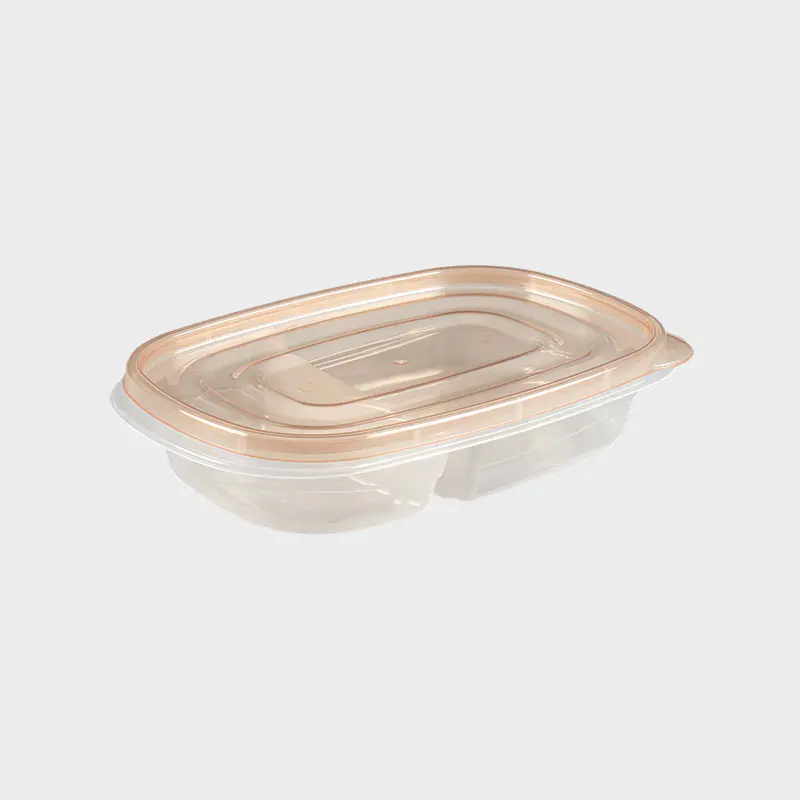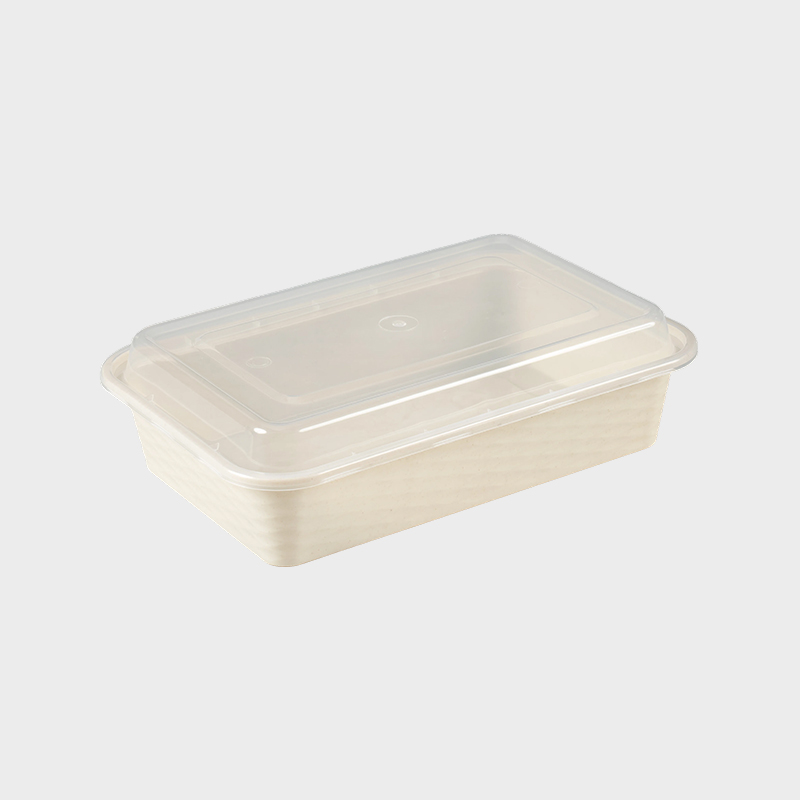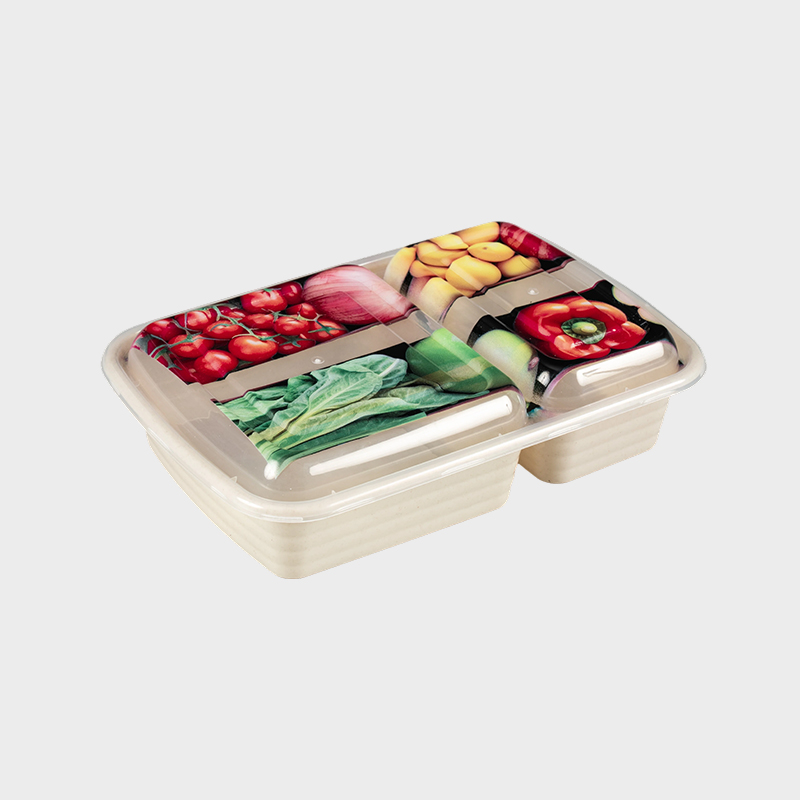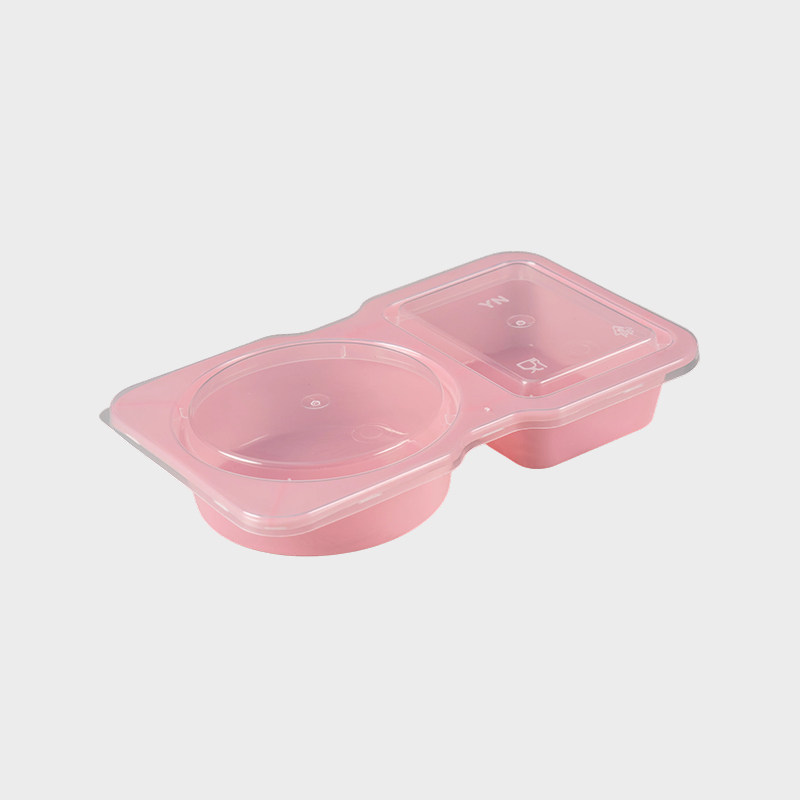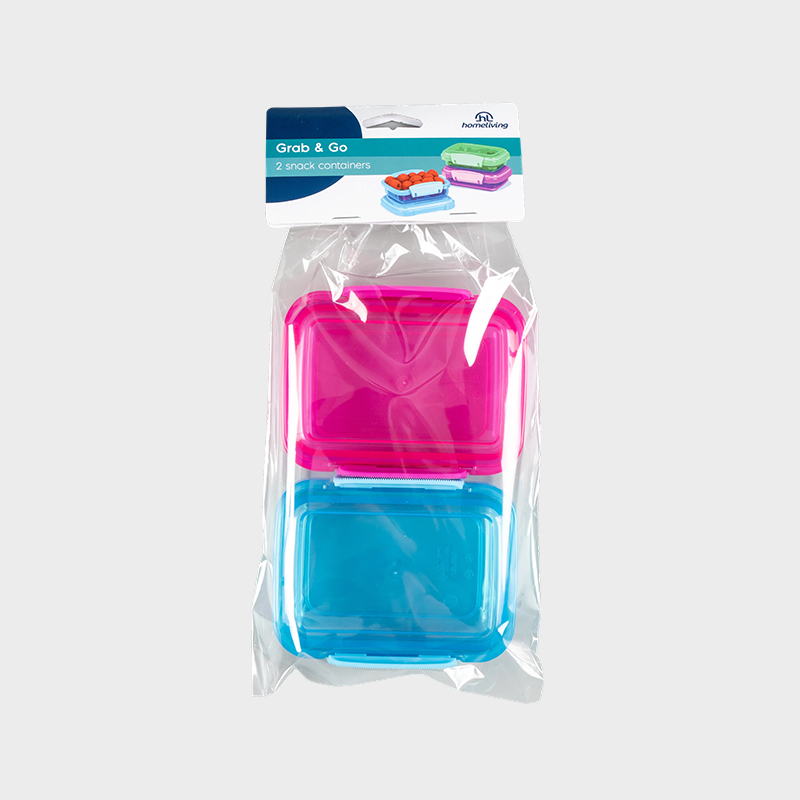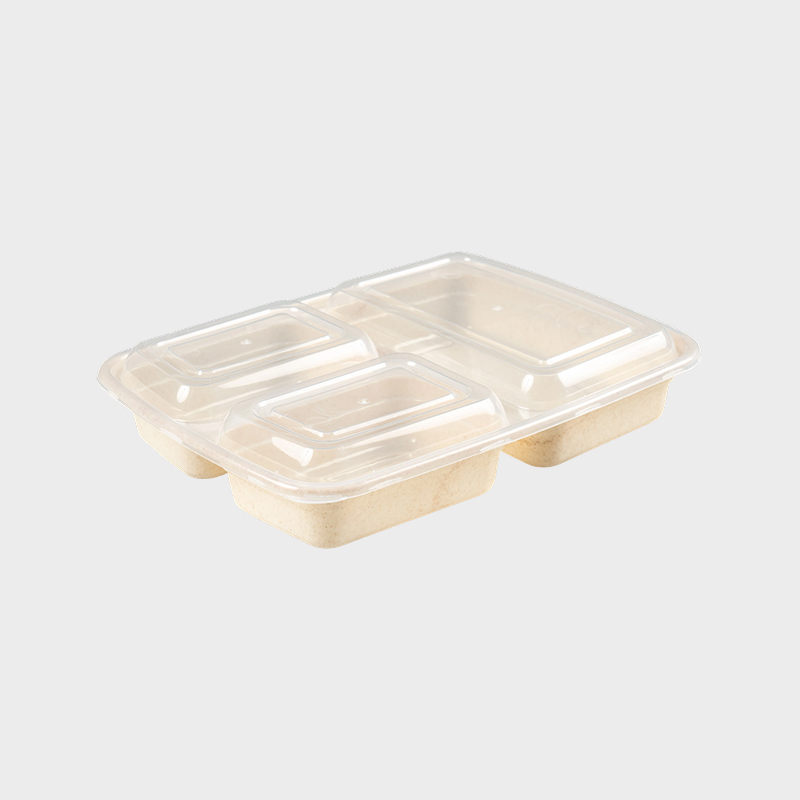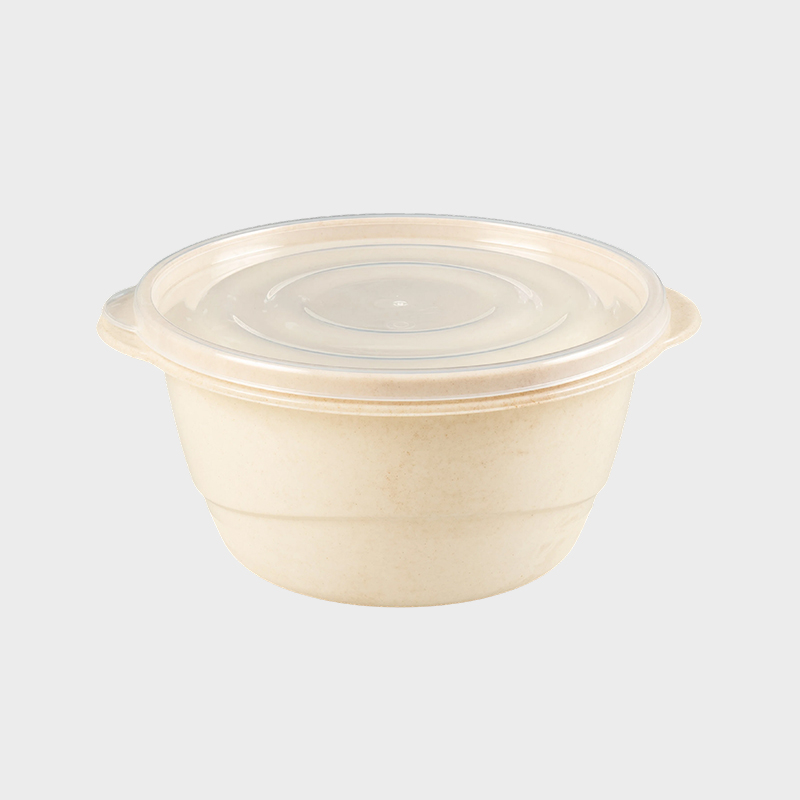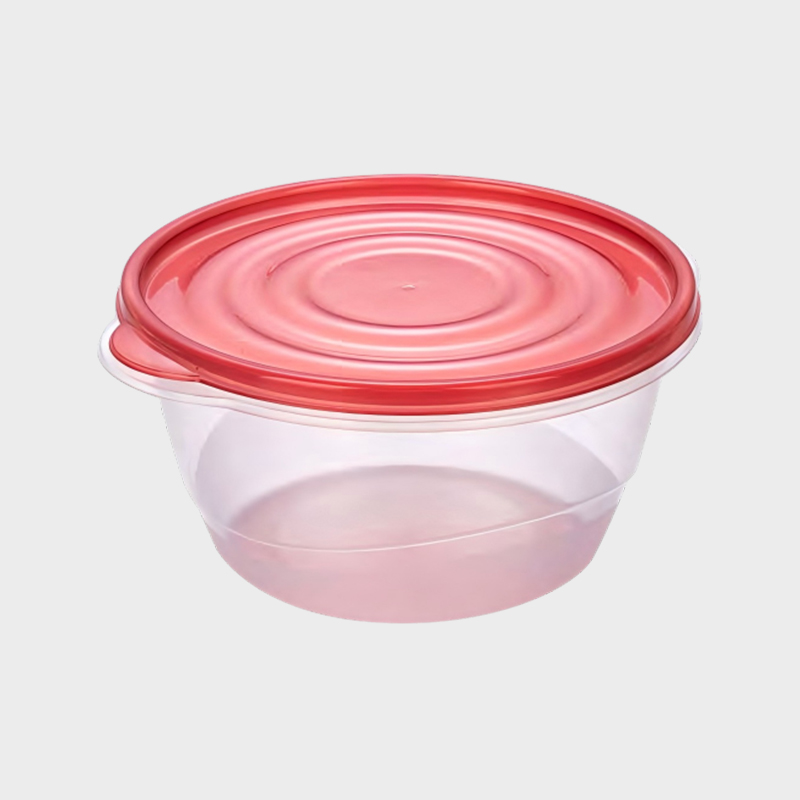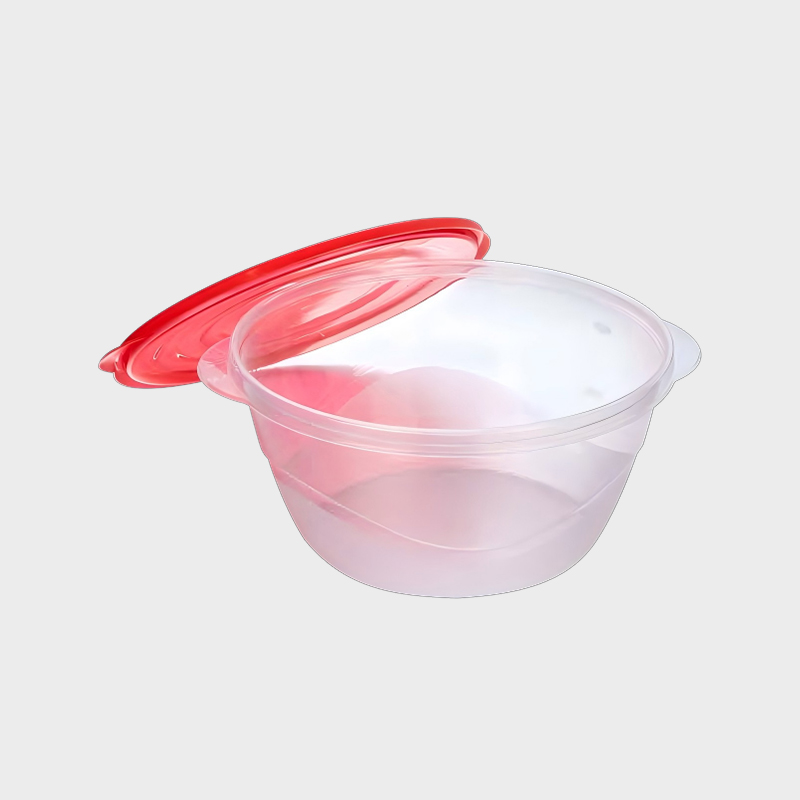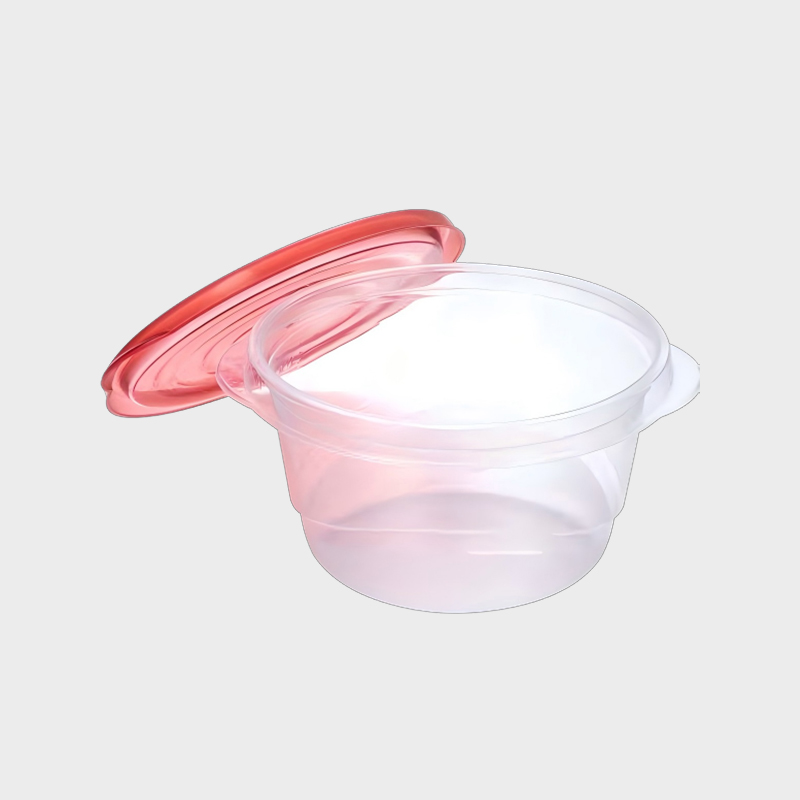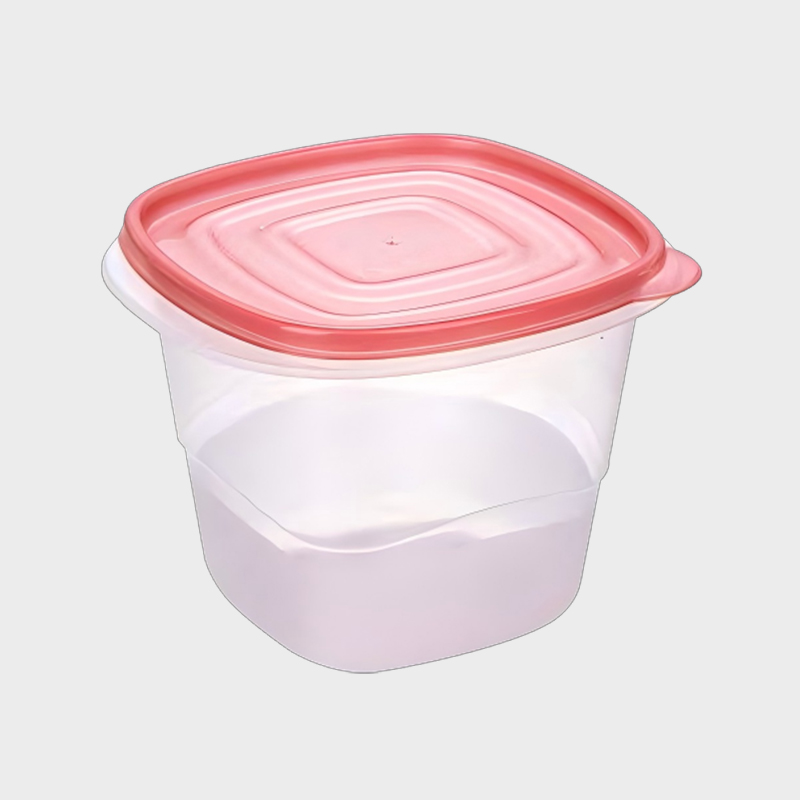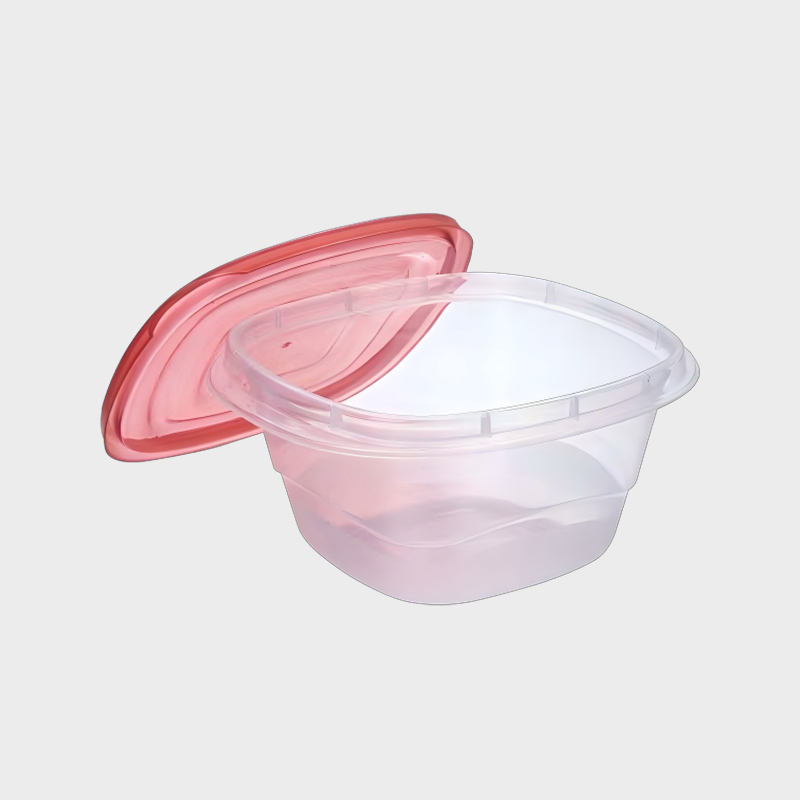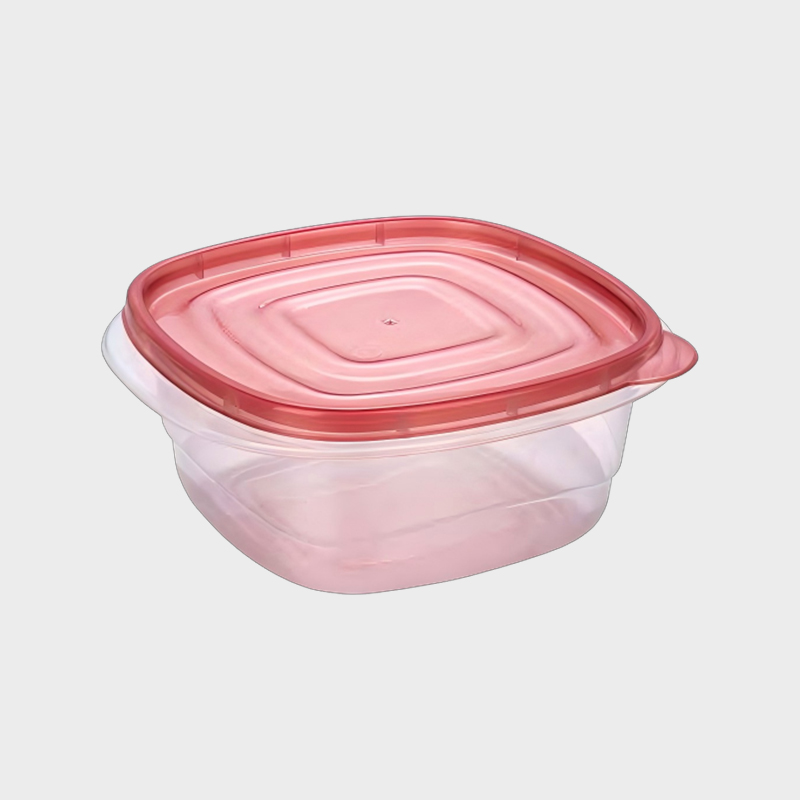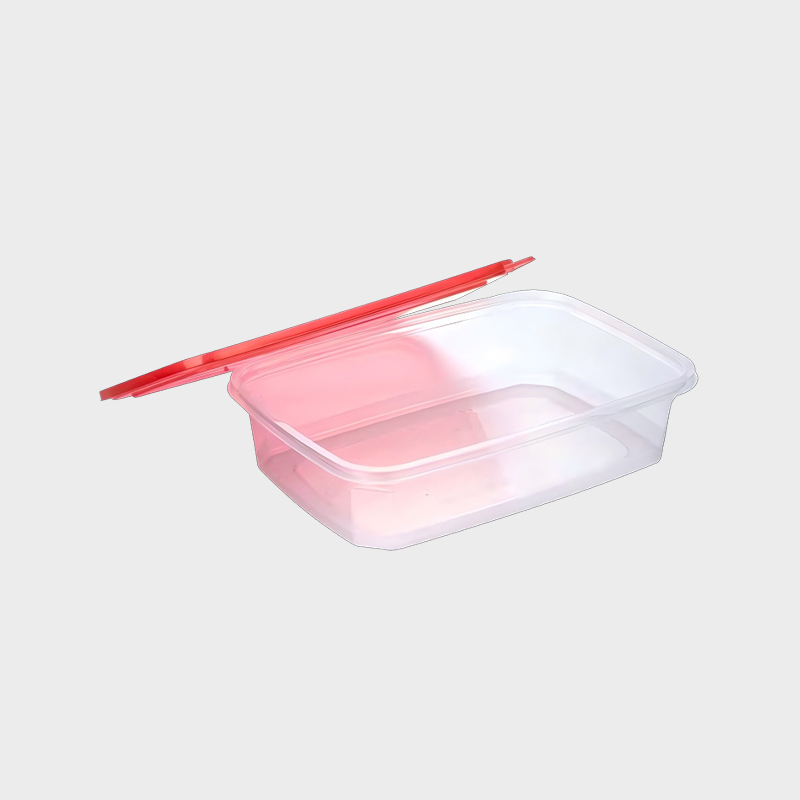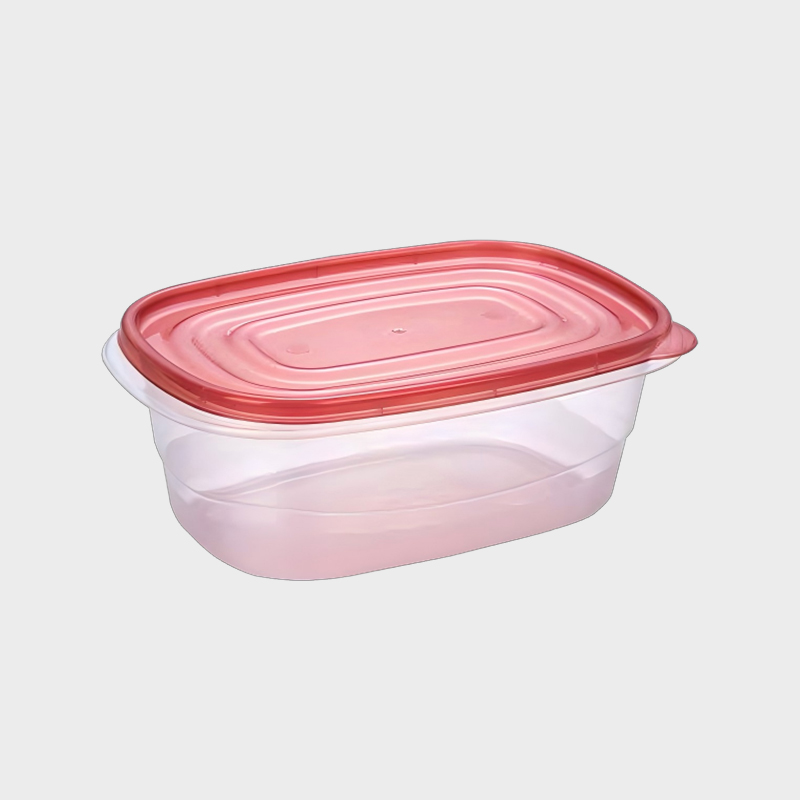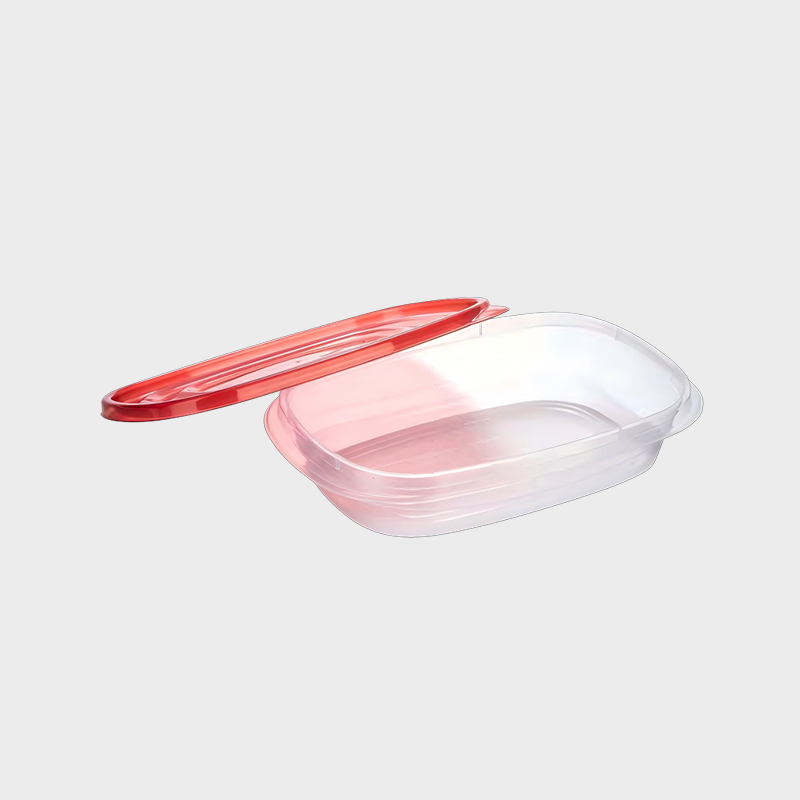
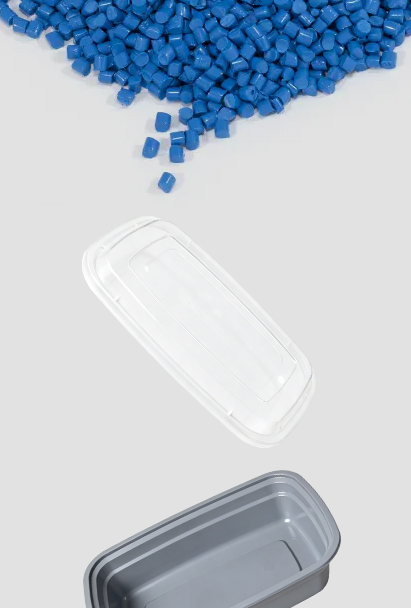
As a professional China plastic disposable fast food box manufacturer, we understand that disposable plastic food containers play a critical role in the modern food delivery and catering industry. Whether for food delivery platforms, fast food chains, central kitchens, or airline catering, choosing the right disposable food container is not only about food safety but also directly impacts consumer dining experience and brand image. This guide systematically introduces the material properties, specifications, usage precautions, and environmental trends of disposable plastic fast food boxes to help you make informed purchasing decisions.
The mainstream disposable fast food box materials on the market include PP (polypropylene), PS (polystyrene), EPS (expanded polystyrene), PLA (polylactic acid), and molded pulp. Among them, PP (polypropylene, resin code #5) is recognized as the preferred material for Food Grade PP Food Container and is currently the best-performing disposable food container material.
PP material has a melting point as high as 165°C and a heat deflection temperature of up to 130°C, making it safe for holding freshly cooked hot food (recommended holding temperature not exceeding 120°C). Compared with PS material (melting point approximately 100°C, heat deflection temperature approximately 80°C), PP does not release harmful substances such as styrene monomers when in contact with high-temperature food, and its tough texture resists breakage, reducing transportation damage rates by approximately 35%. Additionally, PP is the preferred recyclable material for Recyclable disposable food box manufacturer, enabling resource recycling through reprocessing, aligning with global environmental trends.
| Material | Resin Code | Heat Resistance | Microwave Safe | Environmental Impact | Application Scenarios |
|---|---|---|---|---|---|
| PP (Polypropylene) | #5 | ~130°C | Safe | Recyclable & Reusable | Takeaway fast food, microwave heating meals |
| PS (Polystyrene) | #6 | ~80°C | Unsafe | Difficult to degrade, low recycling rate | Instant noodle bowls, cold drink cups (phasing out) |
| EPS (Expanded Polystyrene) | #6 | ~80°C | Unsafe | White pollution, banned in many countries | Insulated food containers (phasing out) |
| PLA (Polylactic Acid) | #7 | ~60°C | Unsafe | Compostable & Degradable | Salads, cold food (higher cost) |
| Molded Pulp | — | ~100°C | Generally Safe | Degradable, but water and energy intensive | Light meals, dry food |
As shown in the table, PP material excels in heat resistance, microwave safety, and recyclability, making it the mainstream choice in the current Bulk plastic fast food containers China market. PS and EPS are being restricted globally due to environmental concerns, PLA is degradable but has insufficient heat resistance and higher costs, while molded pulp is limited by its water and oil resistance.
Selecting the appropriate disposable fast food box specifications requires comprehensive consideration of portion sizes, soup content, delivery methods, and stacking requirements. As a China Wholesale disposable bento box supplier, we offer multi-capacity specifications ranging from 500ml to 1200ml to meet the packaging needs of various catering scenarios.
| Capacity | Dimensions (mm) | Material | Unit Weight | Application Scenarios | Temperature Range |
|---|---|---|---|---|---|
| 500ml | 170×120×45 | Food Grade PP | 22g | Small portions, salads, desserts | -20°C~120°C |
| 650ml | 185×135×50 | Food Grade PP | 26g | Standard fast food, bento, rice bowls | -20°C~120°C |
| 750ml | 195×145×55 | Food Grade PP | 30g | Large portions, noodle soup, spicy hot pot | -20°C~120°C |
| 1000ml | 220×160×60 | Food Grade PP | 36g | Family size, multi-person portions, large soups | -20°C~130°C |
| 1200ml | 240×180×65 | Food Grade PP | 45g | Extra large, hot pot delivery, banquet packaging | -20°C~130°C |
Proper use of disposable fast food boxes is a critical aspect of food safety. Even with high-quality Food Grade PP Food Container, improper use may pose health risks. Here are the key usage precautions:
Although PP material can withstand temperatures up to 130°C, when used as a Microwave Safe Food Container, attention is still required: recommended holding temperature for hot food should not exceed 120°C, microwave heating should not exceed 3 minutes per session with the lid removed or steam vent opened. Avoid heating empty containers in the microwave, and do not use them to hold boiling hot pot broth or fried foods for extended periods.
Disposable PP fast food boxes can be cleaned and reused for short-term use if structurally intact with no cracks or deformation, but long-term repeated use is not recommended. Clean with warm water (not exceeding 60°C) and neutral detergent, avoiding steel wool scrubbing. As an Eco-friendly food container, PP material can be reprocessed into plastic pellets for producing non-food contact products such as trash bins, flower pots, and pipes, achieving resource recycling. Please dispose of used containers in recyclable bins to support the environmental recycling system.
Quality disposable fast food boxes are not only containers for takeaway delivery but also possess certain Food storage containers functions. PP material exhibits excellent low-temperature resistance, maintaining structural stability at -20°C, making it suitable for use as a Refrigerator food container for cold storage.
It should be noted that the sealing performance and durability of disposable food containers are lower than dedicated Plastic food storage box products. For long-term storage or frequent opening and closing, professional food storage containers are recommended. Disposable food containers are designed primarily for single-use takeaway delivery and short-term storage needs.
For high-volume users such as restaurant chains, food delivery platforms, and central kitchens, choosing OEM disposable plastic lunch box China or Custom disposable plastic food box factory for customized production can better match brand requirements and operational scenarios.
| Customization Type | Description | Application Scenarios |
|---|---|---|
| Color Customization | White, black, transparent, Pantone color matching | Brand visual consistency, premium catering |
| Size Customization | Adjust capacity and dimensions based on portion sizes | Signature dishes, non-standard meals |
| Printing Customization | Logo, brand information, QR codes, usage instructions | Brand promotion, membership acquisition |
| Compartment Customization | Single, double, triple, quadruple compartment structures | Bento, set meals, diet meals |
| Packaging Customization | Quantity per carton, outer box printing, pallet packaging | Warehouse management, logistics sorting |
With increasing global environmental awareness and the implementation of "plastic restriction" policies in various countries, the disposable fast food box industry is undergoing profound transformation. As a Plastic takeaway food box manufacturer China, we observe the following major trends:
With its excellent comprehensive performance, PP material is accelerating its replacement of PS and EPS as the market mainstream. Meanwhile, degradable materials such as PLA, starch-based materials, and molded pulp are gaining applications in specific scenarios (such as cold food and light meals). In the future, "PP + degradable coating" composite materials may become a new direction that balances performance and environmental protection.
Through optimized injection molding processes and wall thickness design, reducing the weight of individual food containers while maintaining strength is an important technical direction for the industry. Lightweighting not only reduces raw material costs but also decreases transportation carbon footprint and end-of-life waste disposal pressure.
Some premium food containers are beginning to integrate intelligent elements such as temperature indicator labels, anti-counterfeiting QR codes, and traceable chips, enhancing food safety traceability and brand interaction experience. Enhanced thermal insulation and cooling functions are also directions for differentiated competition.
Establishing a complete industry chain from consumer recycling to reprocessing is key to achieving true environmental sustainability for PP disposable food containers. Currently, some countries and regions have begun implementing deposit systems or categorized recycling incentive mechanisms for food containers, driving PP container recycling rates from the current less than 30% toward 60% and above.
Follow our News and Blogs section to stay updated on the latest policy developments, material technology advances, and market trend analysis in the disposable fast food box industry.
Yes. Food grade PP (polypropylene, resin code #5) has a melting point as high as 165°C and a heat deflection temperature of up to 130°C, making it one of the few plastic materials suitable for microwave heating. However, note: remove the lid or leave a steam vent when heating, do not exceed 3 minutes per heating session, and avoid holding boiling hot pot broth or fried foods.
PP material has far superior heat resistance (~130°C) compared to PS (~80°C), is microwave safe with higher safety; PP has a tough texture that resists breakage, reducing transportation damage rates by approximately 35%; PP is recyclable and reusable, while PS is difficult to degrade with low recycling rates and is being restricted in many countries.
Short-term reuse is possible. If structurally intact with no cracks or deformation, they can be cleaned and reused for short-term use. However, long-term repeated use is not recommended. Clean with warm water (not exceeding 60°C) and neutral detergent, avoiding steel wool scrubbing.
We offer multi-capacity specifications ranging from 500ml to 1200ml: 500ml (22g, small portions), 650ml (26g, standard fast food), 750ml (30g, large portions), 1000ml (36g, family size), 1200ml (45g, extra large/hot pot delivery), all safe for use within -20°C~120°C (or 130°C) temperature range.
Yes. We offer color customization (white, black, transparent, Pantone color matching), size customization, printing customization (logo, brand information, QR codes), compartment customization (single to quadruple), and packaging customization, among other OEM/ODM services.
Standard specification stock products can be shipped within 3~7 days; customized products require 15~30 days production cycle (including mold development and sampling). Please contact our sales team for specific MOQ details.
PP material is a recyclable plastic (resin code #5), which can be reprocessed into plastic pellets for producing non-food contact products such as trash bins, flower pots, and pipes. Please dispose of used containers in recyclable bins to support the environmental recycling system.
We hold food contact material production licenses, ISO9001 quality management system certification, and our products comply with international food contact material safety standards such as FDA/EU. Samples can be requested before bulk ordering for sealing, heat resistance, and drop testing.
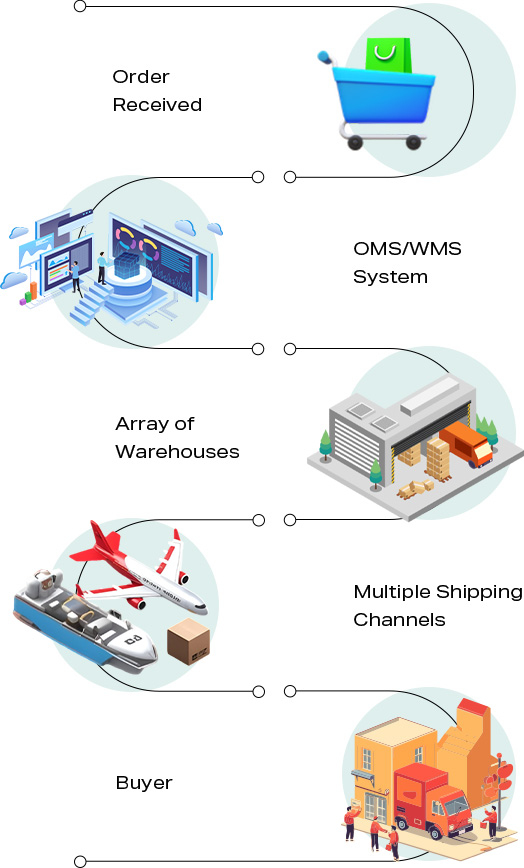
For bulk procurement, sea freight or full container shipping is recommended to reduce costs; for urgent replenishment, air freight or express delivery can be selected. Maintain 2~4 weeks of safety stock to avoid operational disruptions from capacity fluctuations or logistics delays.
PanFeng has over 10 years of experience in the plastic manufacturing industry, with products exported to more than 90 countries and regions, providing global customers with one-stop plastic product OEM manufacturing services.
Ningbo Panfeng Mould Plastic Co., Ltd. is a OEM & ODM Plastic Disposable Fast Food Box Manufacturers and Plastic Takeaway Food Box Factory, committed to providing customers with high-quality plastic products that reflect environmental responsibility and sustainable manufacturing. We strive to become a leading and trusted brand in the industry.










 Español
 Deutsch